March 27, 2026
A septic system is one of the most important yet often overlooked components of any property that operates outside of a municipal sewer system. According to LinkedIn, over 20 million households rely on septic systems to quietly manage wastewater, protect groundwater, and support a safe living or working environment. When a system functions correctly, it often goes unnoticed, but when it begins to fail, the consequences can escalate quickly, leading to unpleasant conditions, environmental hazards, and costly repairs. That is why paying attention to early warning signs is critical.
A knowledgeable septic installer will tell you that most system failures do not happen overnight. Instead, they develop gradually, often giving property owners clear indicators that something is wrong. Recognizing these signals early allows you to take corrective action before minor issues turn into major disruptions.
1. Slow Drains and Frequent Backups
What Slow Drains Really Indicate
Slow drains are often dismissed as minor inconveniences, but they can be one of the earliest indicators of a septic system problem. When sinks, tubs, or toilets begin draining more slowly than usual, it may suggest that wastewater is not moving efficiently through your system.
A septic tank installer typically views this as a sign of restricted flow somewhere between your plumbing and the drain field. While isolated clogs can occur within household pipes, widespread slow drainage across multiple fixtures often points to a larger systemic issue.
The Difference Between a Clog and a System Issue
Understanding the distinction between a simple clog and a septic-related problem is essential. A localized clog usually affects only one fixture and can often be resolved with basic plumbing tools. However, when multiple drains are affected simultaneously, the issue likely extends beyond indoor plumbing.
In these cases, the septic system itself may be struggling to process wastewater at its normal capacity. This could be due to a full tank, a blocked outlet pipe, or early signs of drain field saturation.
Why Backups Should Never Be Ignored
Backups are a more severe progression of slow drainage. When wastewater begins to return through drains or toilets, it signals that the system is no longer able to handle incoming flow. This is not just inconvenient. It is a serious sanitation concern that requires immediate attention.
A qualified septic installer will treat backups as a priority issue, as they often indicate that the tank is full or that wastewater cannot properly exit into the drain field. Ignoring this warning can lead to property damage and health risks.
Common Causes Behind Drainage Problems
Several factors can contribute to slow drains and backups. Excessive water usage can overwhelm the system, especially if it was not designed for the current demand. Grease, non-biodegradable materials, and debris can accumulate within pipes or the tank, restricting flow.
In some cases, improper system design or installation may also play a role. This highlights the importance of working with experienced professionals who understand proper sizing, placement, and compliance requirements.
How Professional Inspection Resolves the Issue
When slow drains or backups occur, a thorough inspection is the most effective way to identify the root cause. A septic tank installer will properly assess the tank, pipes, and drain field to determine where the blockage or inefficiency exists.
From there, solutions may include pumping the tank, clearing obstructions, or addressing structural issues within the system. Early intervention can restore proper function and prevent more extensive damage.
2. Unpleasant Odors Around Your Property
Why Septic Odors Develop
One of the most noticeable signs of septic trouble is the presence of foul odors around your home or yard. While a properly functioning system should contain and process waste without noticeable smells, issues within the system can allow gases to escape.
A septic installer often identifies odors as a sign that the system is not sealing or venting properly. These smells may resemble sulfur or rotten eggs and can appear near drains, the septic tank, or the drain field.
Identifying Where the Smell Originates
Pinpointing the source of the odor can help narrow down the issue. Smells inside the home may indicate problems with plumbing vents or seals, while outdoor odors often point to issues within the tank or drain field.
If the smell is the strongest near the drain field, it could suggest that wastewater is not being properly absorbed into the soil. This may be due to over-saturation, compaction, or system overload.
The Role of Ventilation in Septic Systems
Your septic system relies on proper ventilation to safely release gases produced during the breakdown of waste. When vents become blocked or damaged, gases can build up and escape in unintended areas.
A skilled septic installer will evaluate the ventilation system to ensure it is functioning as designed. Addressing vent issues can often eliminate odors and improve overall system performance.
Environmental and Health Considerations
Unpleasant odors are more than just a nuisance. They can signal the release of harmful gases and the potential for untreated wastewater exposure. Prolonged issues may also indicate contamination risks for the surrounding soil and groundwater.
This makes it essential to act quickly when odors are detected. Ignoring the problem can lead to broader environmental impacts and increased repair costs.
Solutions to Eliminate Odor Problems
Resolving odor issues typically involves identifying and correcting the underlying cause. This may include repairing leaks, clearing vent blockages, or addressing drain field inefficiencies.
A professional septic tank installer will take a comprehensive approach, ensuring that all components of the system are functioning properly. This not only eliminates odors but also restores the system's ability to manage waste effectively.
3. Standing Water or Lush Patches in the Yard
Why Water Pools Near the Drain Field
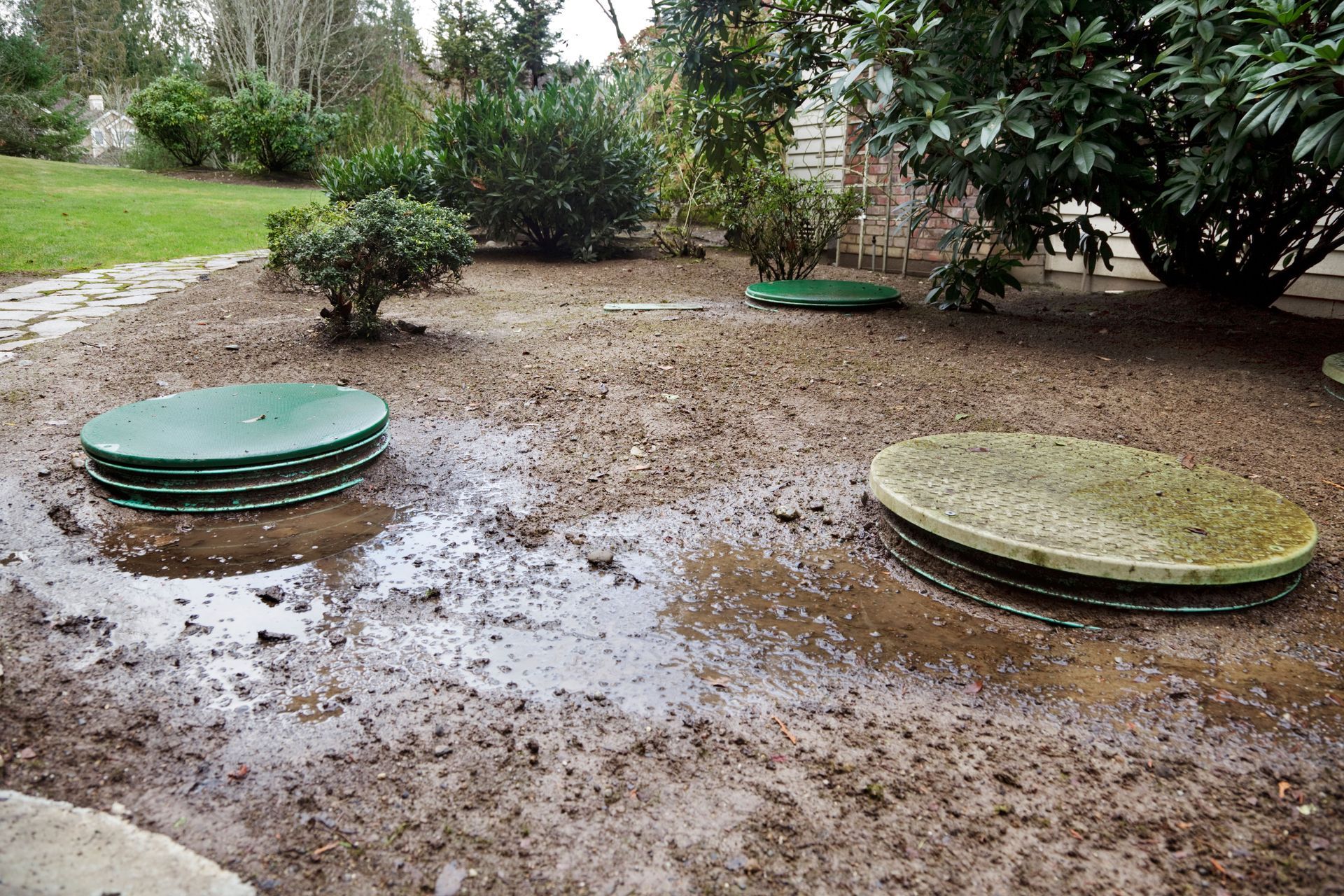
Standing water in your yard, particularly near the drain field, is a clear indication that something is wrong. Under normal conditions, wastewater is filtered and absorbed into the soil without creating visible pooling.
When water begins to collect on the surface, it often means the soil can no longer absorb the effluent. A septic installer will recognize this as a sign of drain field failure or saturation.
The Significance of Unusually Green Grass
While a healthy lawn is typically desirable, unusually lush or fast-growing patches of grass near your septic system can be a warning sign. Excess nutrients from untreated wastewater can act as fertilizer, causing accelerated growth.
This visual cue often indicates that wastewater is not being properly filtered below the surface. Instead, it may be rising closer to the topsoil, which can lead to contamination concerns.
Causes of Drain Field Failure
Drain field issues can arise from several factors. Soil compaction, often caused by heavy equipment or vehicle traffic, can reduce the soil's ability to absorb water. Excessive moisture from heavy rainfall can also overwhelm the system.
In some cases, improper design or installation may contribute to long-term inefficiencies. This reinforces the importance of working with a qualified septic installer who understands site evaluation and soil conditions.
Risks Associated With Surface Wastewater
When wastewater reaches the surface, it poses significant risks to both health and the environment. Contaminants can spread across the property, potentially affecting nearby water sources and creating unsafe conditions.
A professional septic installer will treat this as a critical issue that requires immediate attention. Delaying repairs can lead to more extensive damage and higher costs.
Restoring Proper Drain Field Function
Addressing drain field problems often involves a combination of solutions. These may include reducing water usage, improving drainage, or repairing damaged components.
In more severe cases, partial or complete replacement of the drain field may be necessary. An experienced septic tank installer will evaluate the situation and recommend the most effective course of action to restore proper function.
Septic systems are designed to operate reliably for many years, but they require proper care and attention to maintain their performance. The warning signs discussed above, including slow drains, unpleasant odors, and standing water, should never be ignored. Each of these issues points to underlying problems that can escalate if left unaddressed.
By recognizing these indicators early, property owners can take proactive steps to protect their investment and avoid costly repairs. Working with an experienced septic installer ensures that problems are accurately diagnosed and resolved using proven methods. If you're looking for reliable septic installation services, contact Intermountain Excavation today!