May 29, 2026
When embarking on a construction project, understanding whether you need land clearing or excavation services is crucial for efficient planning and execution. This article will help you determine which service best fits your project's needs by exploring fundamental aspects of both services. From equipment usage to environmental concerns, each service has unique attributes and implications. Whether the scope of your project is commercial, residential, or infrastructural, choosing the right service can greatly impact your timeline and budget. Keep reading to gain a better understanding of your construction project and what it requires.
Understanding Land Clearing
Definition and Purpose
Land clearing involves removing trees, shrubs, and other vegetation to prepare the land for construction or agriculture. The purpose of land clearing is to create a clean surface, free of obstructions, for building or other projects. It focuses on the removal of non-soil components and is often the first step in site development. This process is crucial for ensuring that the base of any construction is stable and secure. It also helps to prevent issues related to rotting vegetation, pest habitats, and fire hazards.
Processes Involved in Land Clearing
The land clearing process involves a series of well-planned steps to efficiently prepare a site. Initial steps often include surveying the land to assess flora density and topography. Heavy machinery like bulldozers and mulchers are then brought in to clear the vegetation. Remaining debris is either removed, ground into mulch, or buried, depending on environmental regulations and project needs. The entire operation requires careful planning to minimize environmental impact and comply with legal standards.
Equipment Used in Land Clearing
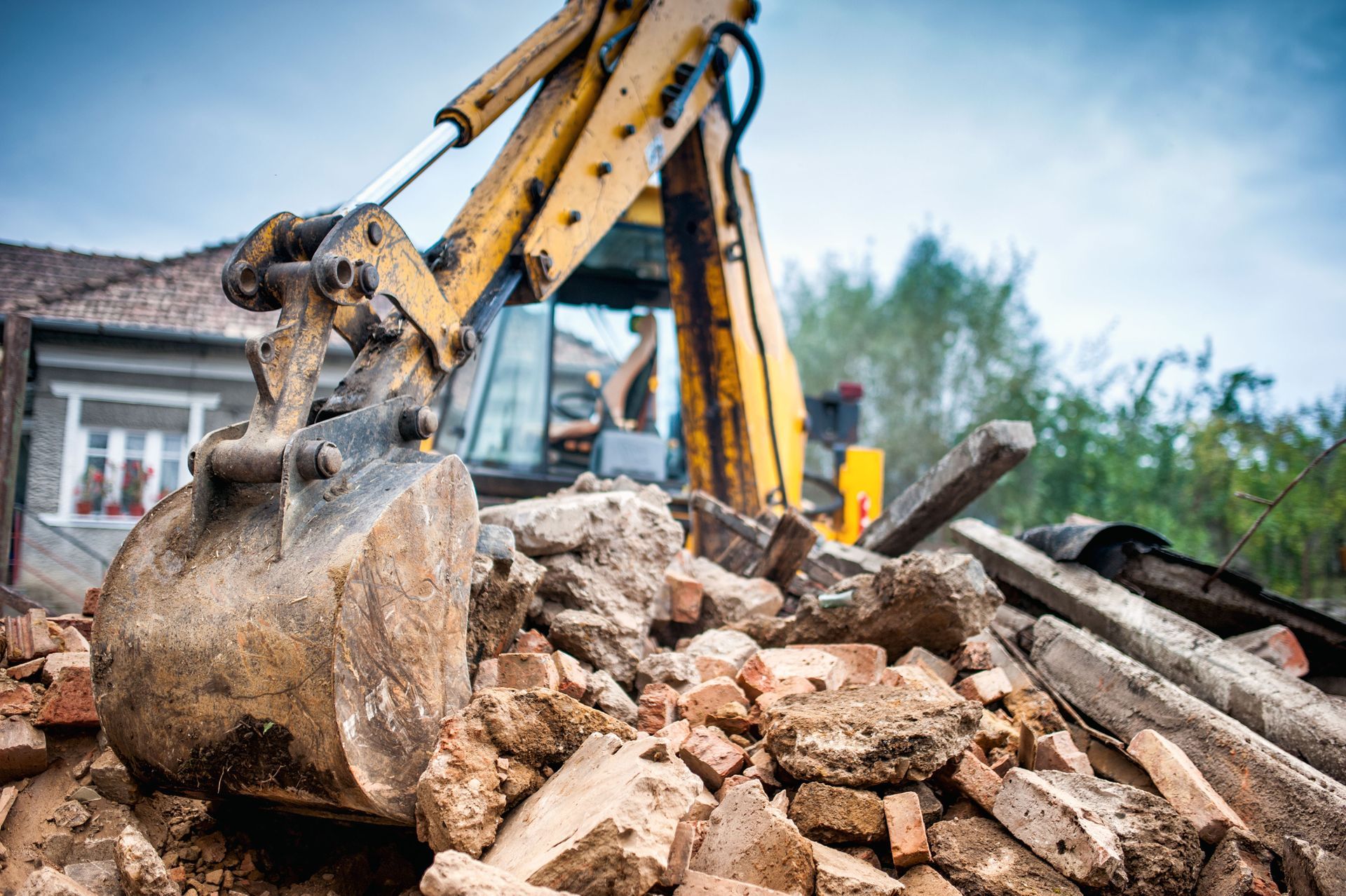
The equipment used in land clearing is designed to handle large volumes of plant material and tough terrain. Bulldozers are commonly employed for uprooting medium to large-scale trees and pushing them into piles. Excavators equipped with various attachments are also utilized for different terrain challenges. Chainsaws and mulchers provide precise cutting capabilities, while chippers convert downed wood into easily-disposable chips. The choice of equipment greatly influences the project's efficiency and environmental footprint.
Understanding Excavations
Definition and Purpose
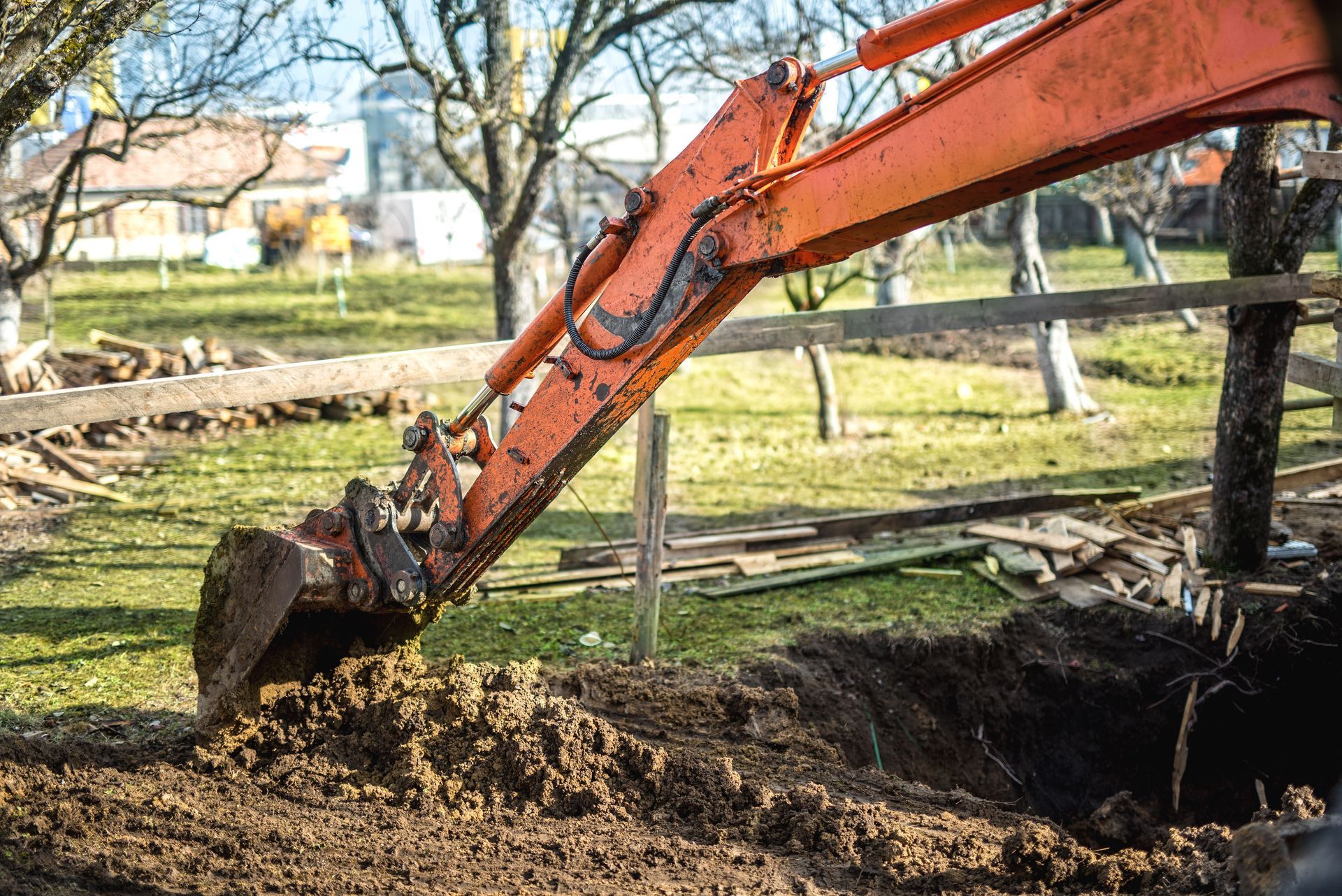
Excavation involves the movement and processing of earth materials to create building foundations, roads, or other construction sites. The primary purpose of excavation is to prepare the ground for structural support, drainage, and utility installations. This process is integral to constructing stable frameworks that can withstand weather and usage conditions. Excavation is not just about digging; it includes grading, trenching, and earth removal for various engineering purposes. Therefore, it plays a crucial role in the success of construction endeavors.
Types of Excavations
Excavations come in various forms, each suited for specific construction needs. Residential projects often require shallow excavations for foundations and basements. Commercial endeavors might involve deeper or more extensive excavations, such as those needed for underground parking or utilities. Trenching is used for pipeline and drainage installations, requiring precision and safety measures. The choice of excavation type is driven by the structural requirements and the intended use of the site.
Equipment Used in Excavations
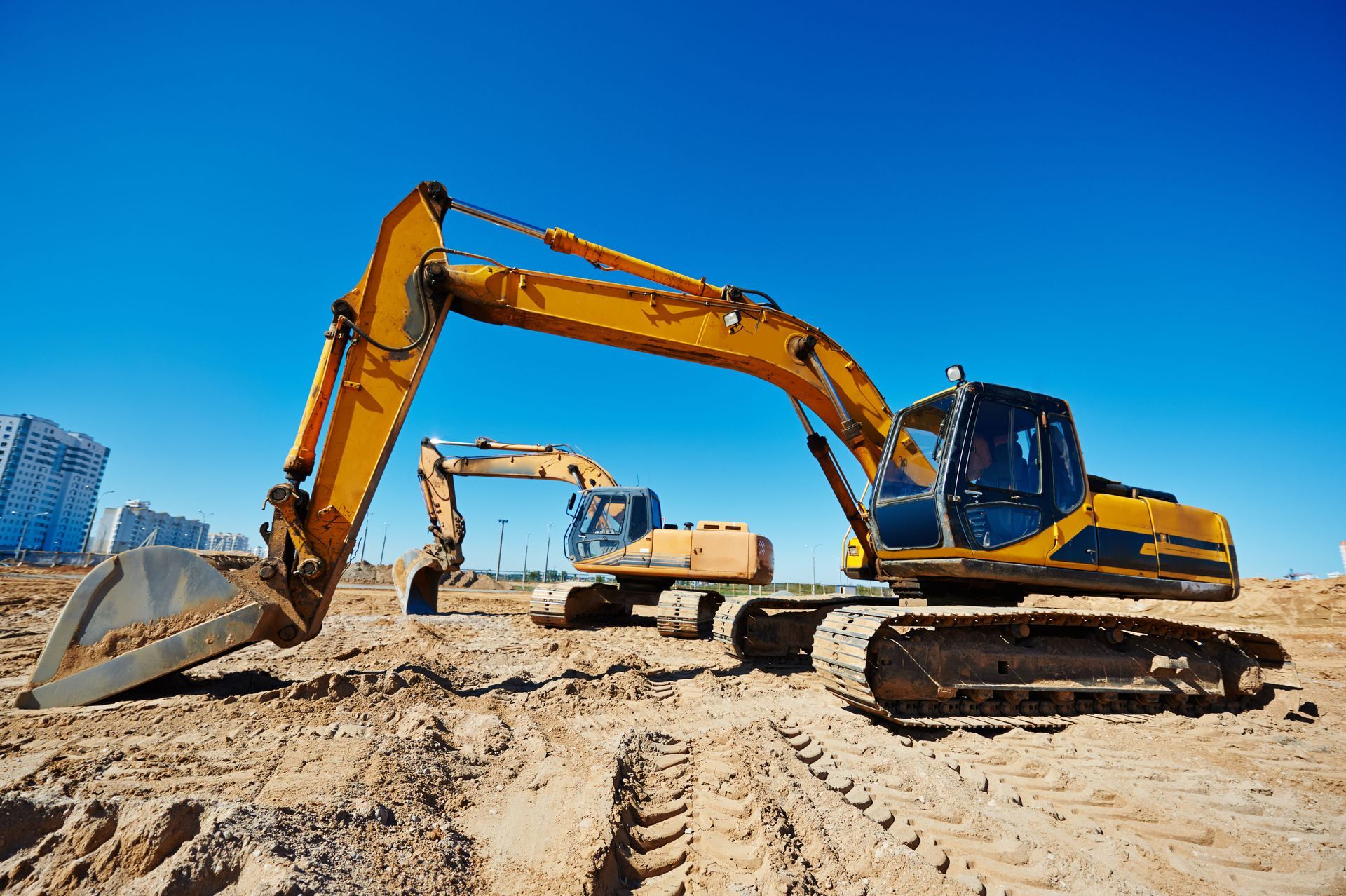
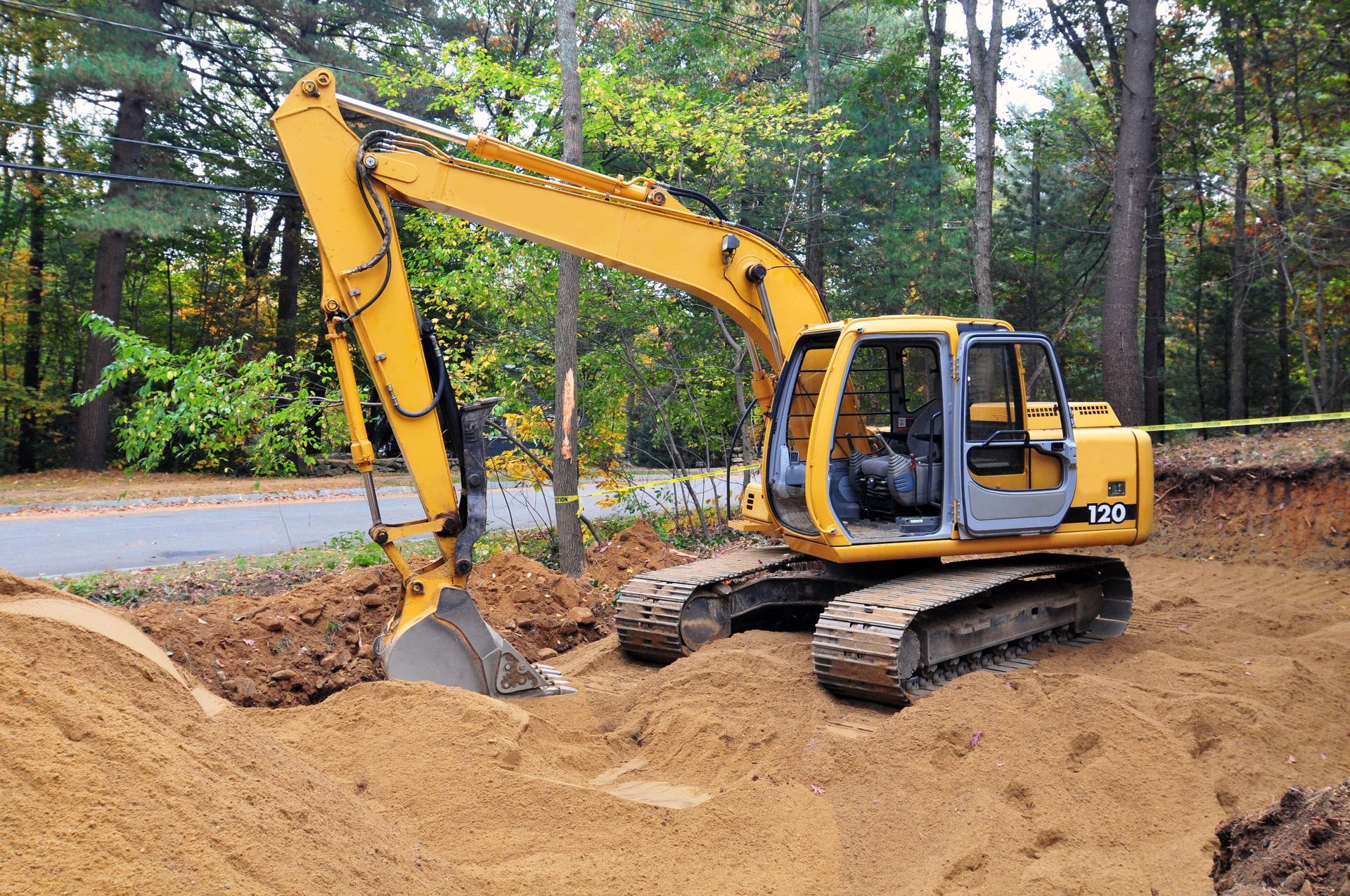
Excavation relies on specialized machinery designed to move large quantities of earth and rock. Excavators, equipped with buckets or other attachments, perform the primary digging activities. Bulldozers aid in the removal and transport of loosened earth, while backhoes handle smaller, more delicate operations. Dump trucks haul excavated materials away from the site to ensure efficient debris management. The choice and operation of these machines can significantly impact the project timeline and costs.
Regulatory Compliance and Permits
Excavation projects are subject to stringent regulatory compliance and permit requirements. Local building codes, environmental laws, and zoning regulations must all be followed. These measures ensure that excavation does not compromise structural integrity or environmental safety. According to The Business Research Company, the excavation and demolition market will grow from $539.7 billion in 2025 to $552.8 billion in 2026, highlighting the importance of adhering to growing industry standards. Obtaining necessary permits is a key step to starting any excavation project responsibly.
Comparative Analysis: Land Clearing vs. Excavation
Project Scope and Scale
The scope and scale of a project can dictate whether land clearing or excavation services are more suitable. Large-scale projects like commercial developments may require extensive excavation to accommodate foundations and utilities. Conversely, simpler projects such as agricultural or residential developments might need only land clearing to prepare the site. Understanding the size and complexity of your project helps determine the right combination of services. Your choice should align with the intended outcomes and required groundwork.
Time Requirements
Time is a critical factor in deciding between land clearing and excavation. Land clearing is usually faster, focusing primarily on removing surface vegetation. Excavation, involving deeper and more complex ground preparation, may require extended timelines. Project managers should consider the urgency of timelines alongside the capability of each service to meet deadlines. Aligning time requirements with project objectives can help ensure smooth progress and timely completion.
End Goals and Project Needs
Determining the most suitable service often hinges on the end goals and specific project needs. Projects with a primary focus on surface development might prioritize land clearing for its efficiency. Excavation is better suited to buildings with complex underground utilities or those requiring substantial soil alteration. Understanding your project's end goals helps dictate which approach will most effectively achieve those objectives. This ensures that the chosen method aligns seamlessly with the project's vision and requirements.
When to Choose Land Clearing
Projects Best Suited for Land Clearing
Land clearing is best suited for projects where removing vegetation is the primary requirement. Agricultural expansions and landscaping projects often rely on land clearing for prepping the ground. Residential developments that require tree removal and surface preparation also benefit from this service. The key is identifying projects where the speed and simplicity of land clearing aid in achieving quick results. Recognizing these scenarios ensures that resources are appropriately allocated for efficient operations.
Pros of Land Clearing
Opting for land clearing comes with several advantages, including cost efficiency and speed. Land clearing enables quick project initiation by providing a clean slate ready for further development. It eliminates obstacles related to undeveloped terrain, allowing seamless access for construction work. Moreover, by focusing on surface-level work, it minimizes disruption to subsurface layers and ecosystems. These benefits alleviate operational complexities, contributing to smoother progress.
When to Choose Excavations
Projects Best Suited for Excavation
Excavation is essential for projects requiring substantial groundworks or underground infrastructures. Buildings with basements or those needing robust foundation systems depend on excavation services. Large-scale utility installations like sewage and pipelines require precision excavation efforts. When deep digging or a structural support system is necessary, excavation becomes the service of choice. Aligning project goals with excavation capabilities ensures the successful delivery of complex projects.
Pros of Excavation
Choosing excavation offers several benefits, particularly for structurally intensive projects. It ensures proper drainage and ground stability for different construction forms. Excavation allows customizable ground modification tailored to unique project specifications. This flexibility benefits projects with intricate designs and demanding engineering standards. Excavation's precise nature helps maintain structural integrity and safety, crucial for long-lasting constructions.
Choosing the right preparation service for your construction project is pivotal. Integrating both effectively can optimize outcomes while accommodating budgetary and environmental considerations. If you're looking for a provider of
excavations and land clearing services, then don't hesitate to reach out to Intermountain Excavation!