February 26, 2026
The construction industry is built upon foundations both literal and figurative. Among these core components, excavation services play a pivotal role in the success of construction projects. Not only do they lay the groundwork necessary for building, but they also ensure that projects are on time, safe, and within budget. Through a blend of traditional techniques and cutting-edge technology, excavations have evolved to become vital to the efficiency and viability of modern construction endeavors.
1. What are the essential excavation services offered in construction projects?
1.1. Site Clearing
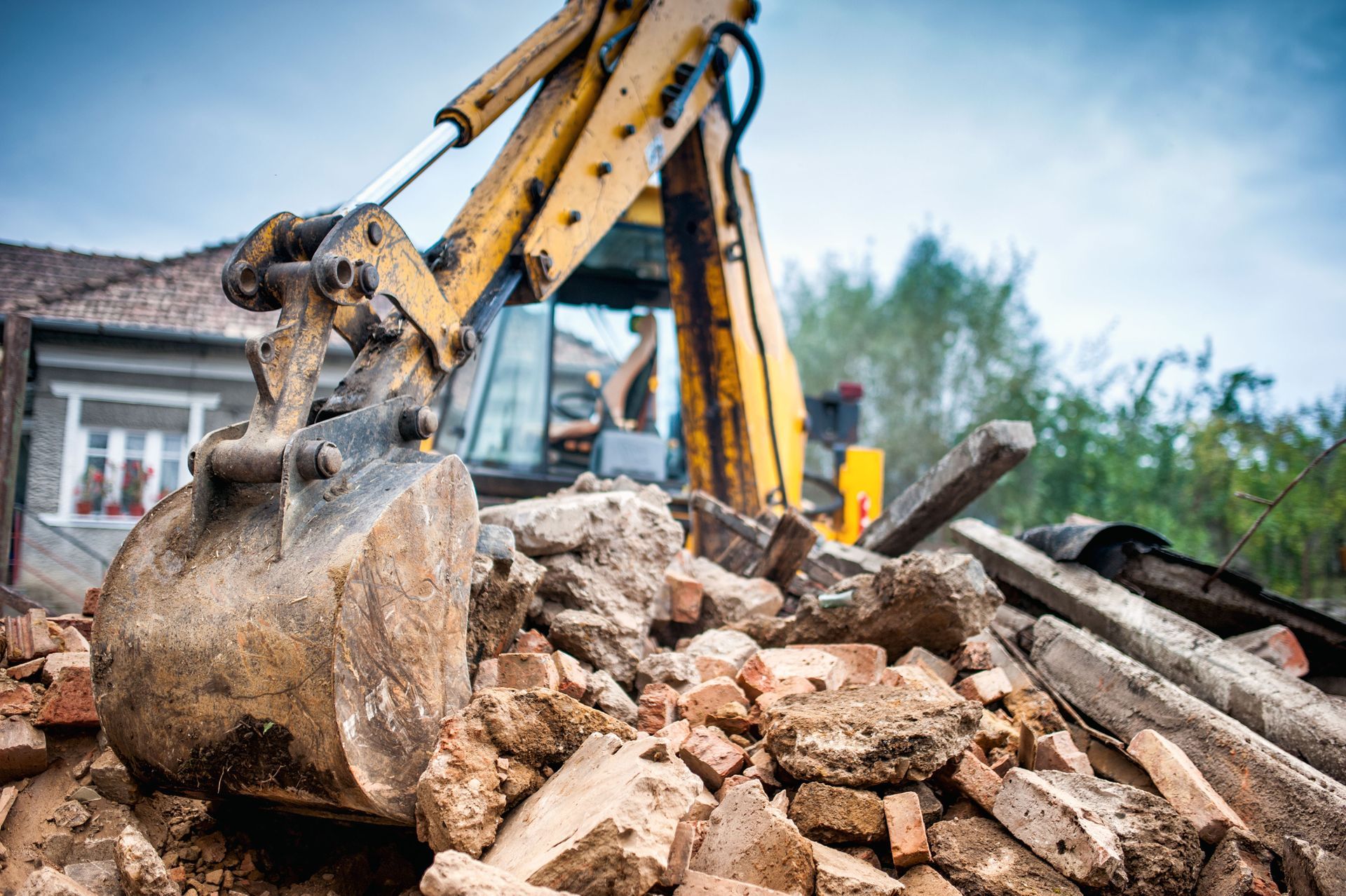
Site clearing is a fundamental step in any construction project. It involves the meticulous process of removing trees, bushes, and any existing structures or debris from a construction site. This crucial service not only prepares the land for upcoming development but also facilitates better access for construction equipment. A well-cleared site ensures that construction begins with a clean slate, allowing projects to proceed smoothly.
Moreover, site clearing is essential for creating a safe work environment for construction workers. By removing obstacles, it reduces potential trip hazards and ensures that heavy machinery can operate without obstruction. This is a critical factor in the initial phase of construction, where precision in equipment operation is paramount. The process of site clearing also includes land leveling, which is necessary to align the site with the architectural requirements of the project.
Effective site clearing provides the foundation for other excavation services, such as trenching and foundation preparation. It prepares the site for further interventions by excavation professionals, ensuring that the precise contours of architectural plans are followed. The integration of site clearing within the early construction phases is a reflection of its importance. For this reason, effective site clearing is an indispensable part of the construction process, setting the tone for the rest of the excavation services.
1.2. Trenching
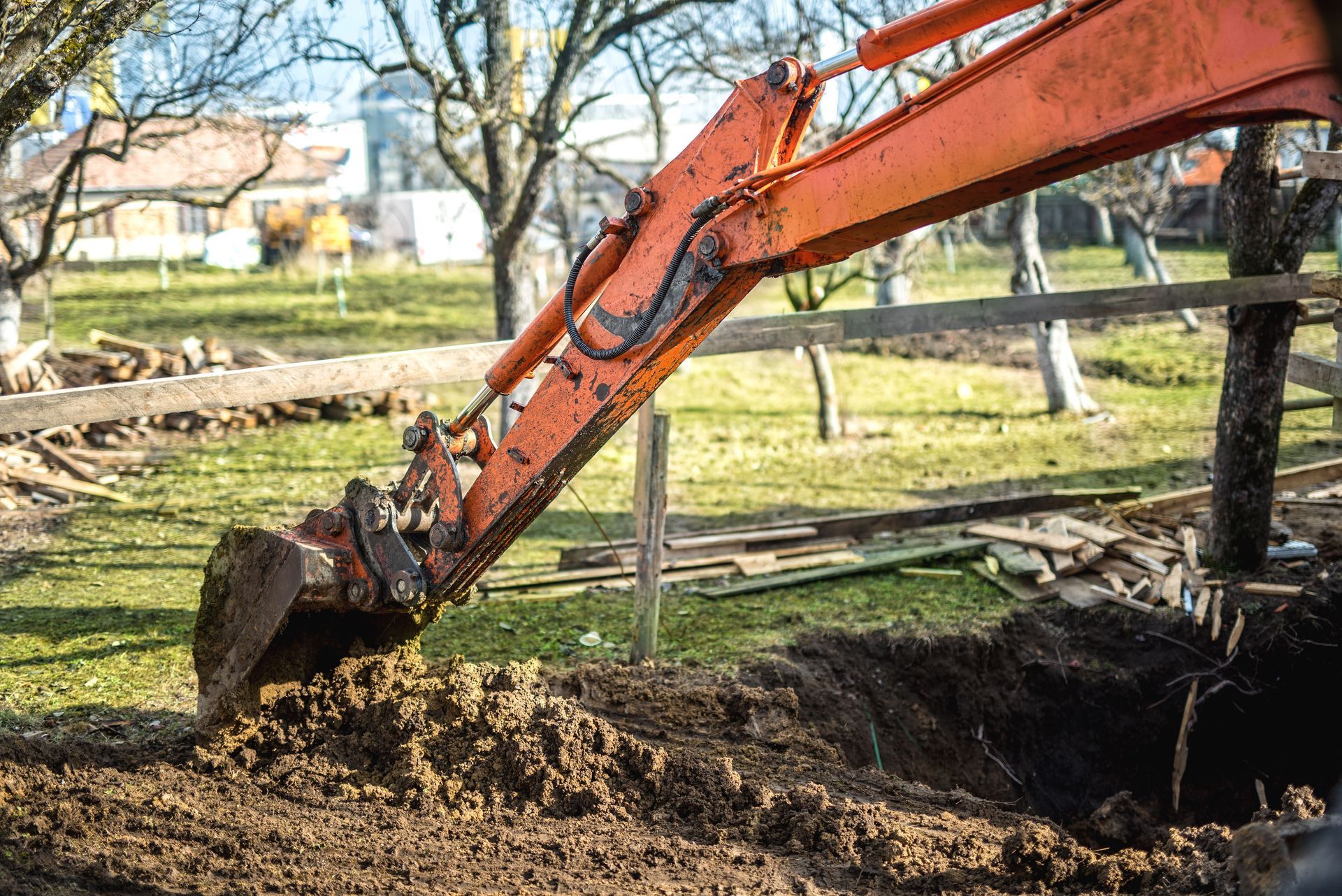
Trenching is an advanced excavation service that involves creating narrow, deep depressions in the ground. This service is central to laying the groundwork for essential utilities such as water, electricity, and sewage systems. Trenches are meticulously mapped out to avoid disruption to existing infrastructure, requiring precise planning and execution. The precision needed in trenching is such that it not only accommodates utility lines but also alleviates potential risks related to subterranean work.
The trenching process is guided by safety regulations and standards to ensure that the integrity of the construction project is maintained. In addition to safe practices, trenched areas are often reinforced to prevent collapses. These reinforcements provide stability to the trenches and protect workers.
According to Fact.MR, construction projects demand efficient excavation equipment which accounts for about 64% of the machinery usage, highlighting the importance of professional trenching services.
Moreover, trenching contributes significantly to the overall utility management of construction plans. It allows for organized placement of conduits, facilitating easier future maintenance and upgrades. With advancements in excavation technology, trenching has become more efficient, reducing timeframes and resource expenditure. As a result, construction projects can proceed at a more accelerated pace with minimal environmental intrusion.
2. How do excavation services ensure safety and compliance in construction?
2.1. Risk Assessment and Planning
Risk assessment is a foundational aspect of any excavation project, aiming to anticipate and mitigate potential hazards. It involves detailed site evaluations to identify any pre-existing conditions that might affect the excavation process. Through thorough planning, excavation projects can proactively address risks, ensuring safer work environments. Additionally, risk assessment provides a comprehensive understanding of the terrain, informing safer excavation strategies.
An effective risk assessment process outlines potential environmental impacts and compliance requirements. The evaluation is conducted in alignment with regulatory standards to ensure safety and legal adherence throughout the project. By identifying high-risk zones, excavation professionals can implement measures that safeguard both the environment and personnel. The integration of technology in risk assessments has further improved the accuracy of hazard predictions and management strategies.
Planning scenarios that incorporate varied potential risks offer alternative solutions for excavation procedures. Well-planned projects are less prone to unexpected delays and complications, leading to overall project efficiency. Risk assessments also emphasize continuous monitoring, adapting plans as conditions change. This proactive approach contributes to the success of excavations, maintaining the integrity and continuity of construction projects.
2.2. Safety Protocols and Training
Safety protocols are essential in excavation services, emphasizing the importance of a secure working environment. Regulatory guidelines dictate specific practices to be followed by all personnel involved in excavations. These include procedures for entry and exit in confined spaces, emergency response plans, and the use of appropriate safety gear. Training programs ensure that all workers are familiar with these protocols before any excavation commences.
Through comprehensive safety training, workers become adept at recognizing and mitigating potential hazards. The protocols cover a range of scenarios including equipment handling, emergency evacuation, and use of personal protective equipment (PPE). Familiarity with these procedures significantly decreases the occurrence of onsite accidents, upholding the project's safety standards. The integration of safety culture within excavation teams fosters a proactive approach to risk management.
In addition, ongoing training and safety audits keep workers updated on new regulations, equipment, and best practices. This dynamic approach to safety ensures that excavation teams are prepared for an evolving industry landscape. Investing in safety training is a testament to the commitment of construction companies towards safeguarding their workforce and the communities they serve. It is a vital measure for not only compliance but for fostering a culture of safety within the construction industry.
3. What technological advancements are used in modern excavation services?
3.1. GPS and 3D Modeling Technologies
Technological advancements such as GPS and 3D modeling play a transformative role in modern excavation services. These tools allow for unprecedented accuracy in mapping and modeling construction sites, providing detailed visualizations of terrain and project specifications. The precision afforded by GPS enables operators to undertake excavations with heightened efficiency and accuracy, reducing manual errors. This translates into time-saving strategies that contribute to project success and adherence to deadlines.
3D modeling technologies assist in planning and simulating excavation practices before ground is even broken. By rendering realistic visualizations, they help strategize optimal excavation approaches and identify potential challenges. This foresight allows for preemptive solutions, minimizing interruptions once the project is underway. The seamless integration of such technologies ensures that excavation operations align perfectly with architectural goals, enhancing overall project execution.
3.2. Advanced Machinery and Equipment
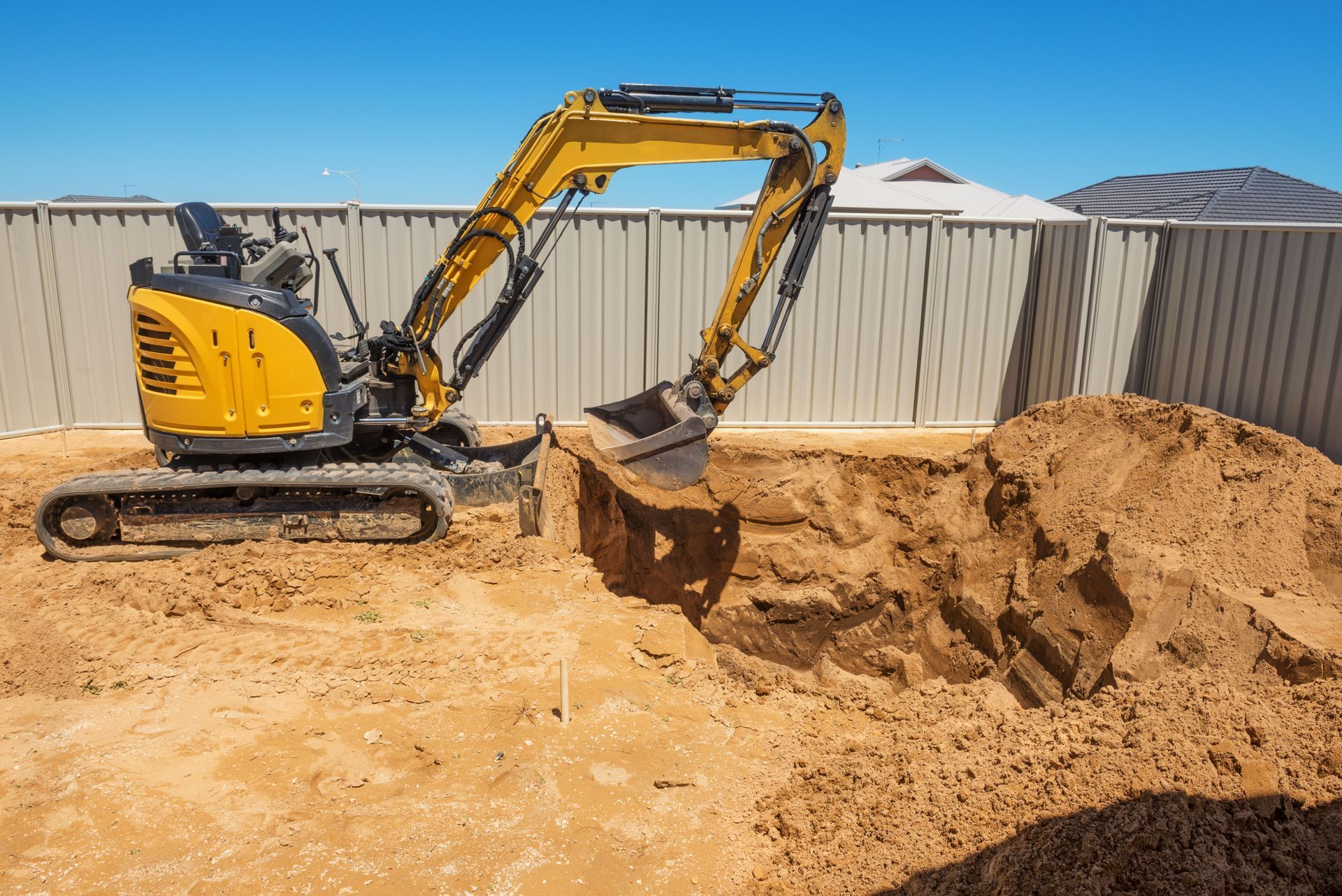
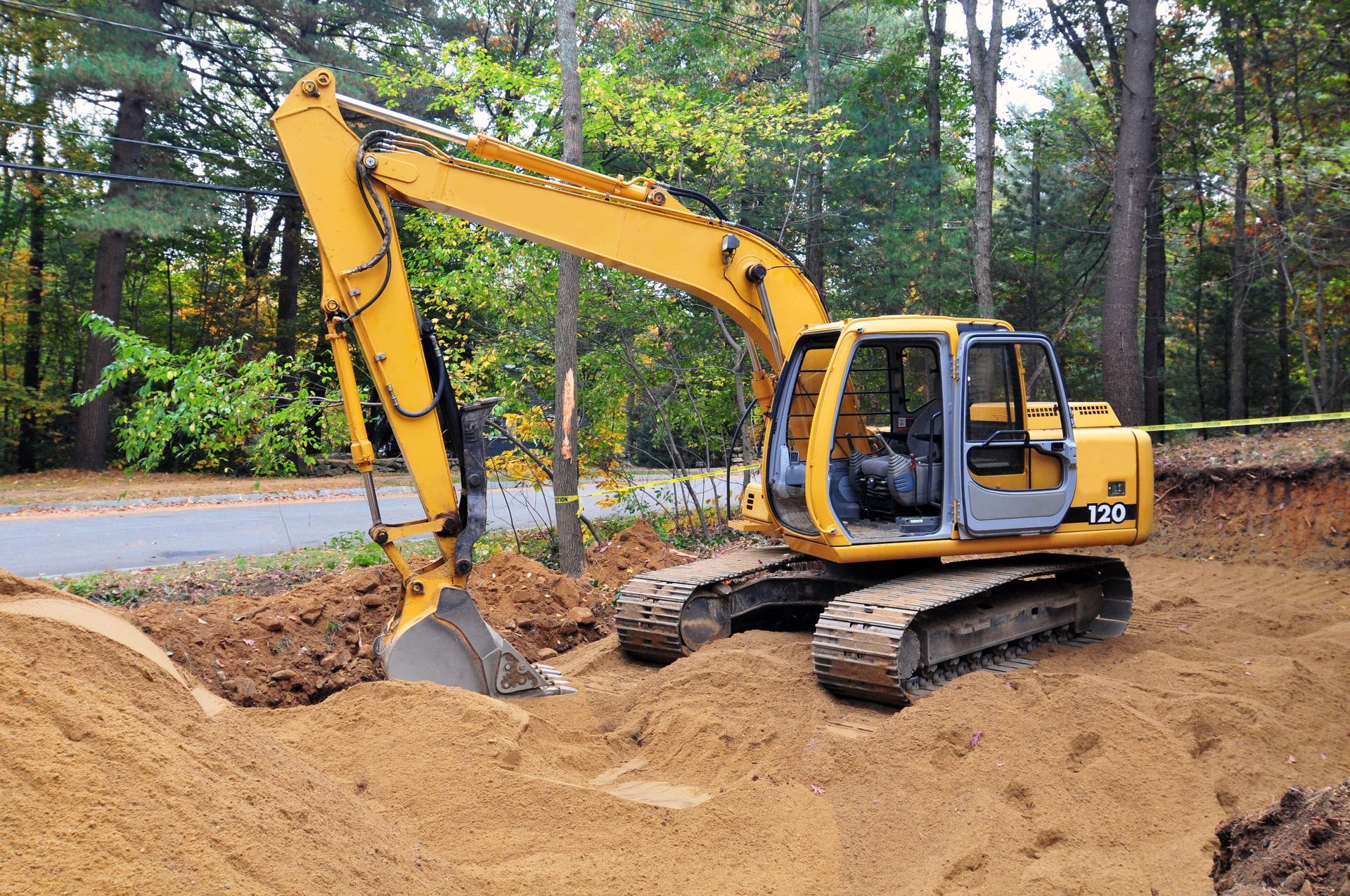
Modern excavation services rely significantly on advanced machinery and equipment to execute complex tasks efficiently. The deployment of state-of-the-art machinery has transformed traditional excavation methods, providing higher performance and reliability. Machines equipped with the latest technology can handle larger volumes of material, reduce noise pollution, and limit emissions. The plethora of machinery available to construction projects ensures that excavation services can adapt to varied project demands.
The importance of excavation equipment is underscored by industry reports; according to Fact.MR, construction accounts for about 64% of excavation equipment usage. As such, companies have recognized the necessity of incorporating cutting-edge tools to maintain competitive advantages. Enhancements in equipment technology drive construction innovations, delivering better project outcomes. The utilization of advanced machinery firmly establishes excavation services as a critical component of modern construction strategies.
The role of excavation services in the construction industry cannot be overstated. They safely and efficiently lay the groundwork for projects of all sizes, ensuring that they are successful and sustainable. From site clearing to advanced technological integration, these services are central pillars in the modern construction arena. By prioritizing safety, environmental compliance, and adopting cutting-edge technologies, excavation services enable the execution of ambitious construction projects worldwide.
Each component of excavation, from effective risk assessment to advanced machinery, contributes significantly to the overall success of a construction project. Together, they represent a holistic approach to project management, targeting quality, efficiency, and safety. This foundation is vital for projects that aim to meet the ever-evolving demands of infrastructure development. As a result, excavation services remain integral to any construction process, advancing industries and communities alike.
In summary, excavations provide the necessary bedrock upon which construction successes are achieved. By harnessing technological advancements and adopting sustainable practices, excavation services continue to redefine possibilities within the engineering landscape. Their contribution to site safety, efficiency, and environmental stewardship underscores their value, establishing them as indispensable allies in the construction industry. Reach out to Intermountain Excavation today to see how we can help!