February 3, 2026
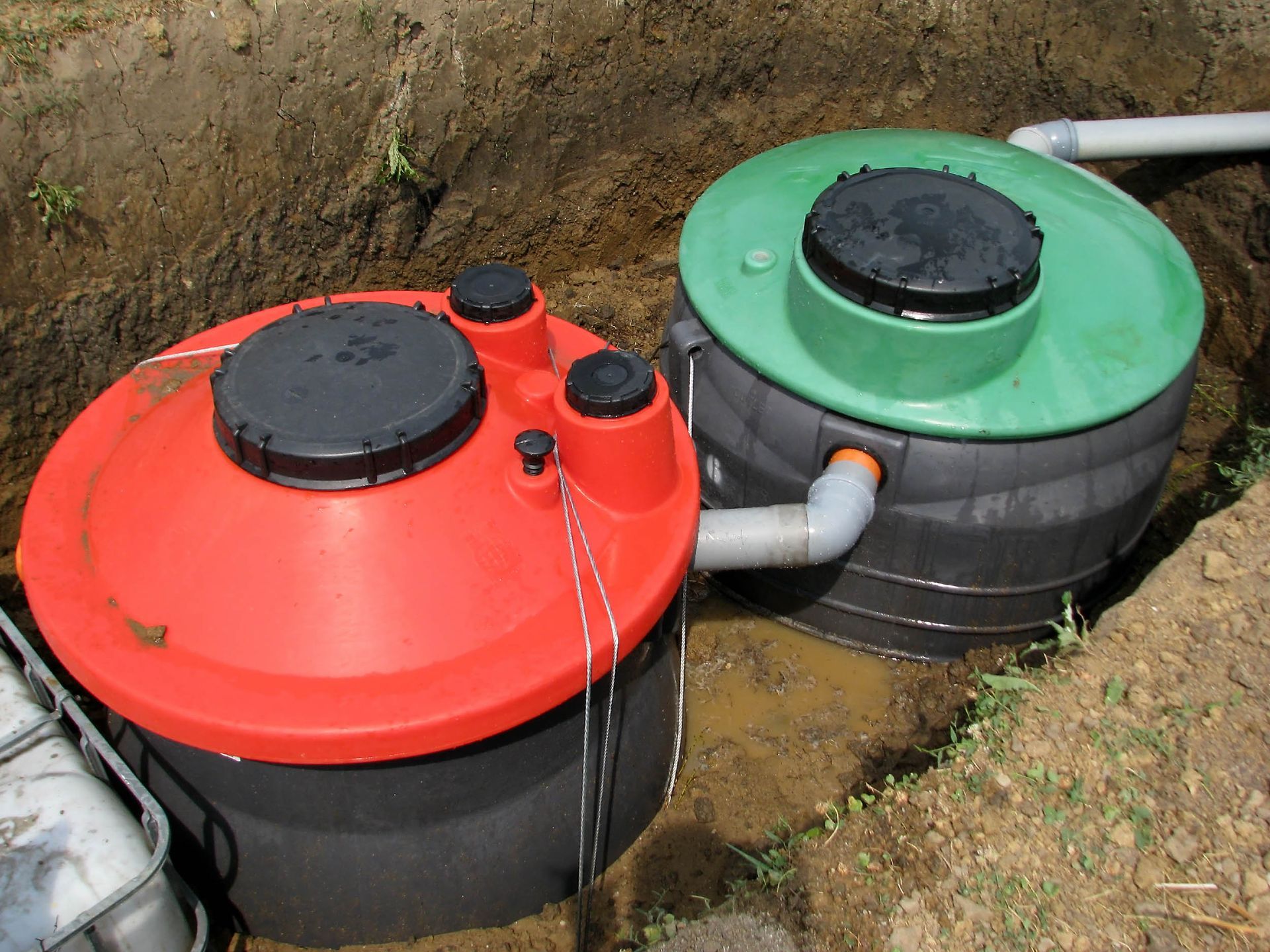
In the contemporary environmental landscape, responsible wastewater management has emerged as a strategic priority for organizations, municipalities, and households alike. As we continue to navigate the intersection of ecological stewardship and operational efficiency, the role of septic infrastructure cannot be overstated. This comprehensive analysis articulates the environmental benefits of proper septic installation, framed in a way that underscores sustainable value creation, risk mitigation, and long-term ecosystem resilience.
The imperative for proactive wastewater solutions is underscored by national data: according to the EPA, more than one in five households in the U.S. depend on individual septic (decentralized) systems or small community cluster systems to treat their wastewater. This statistic not only reflects the prevalence of decentralized systems but also elevates the responsibility of proper septic installation as a core contributor to environmental health. In this context, septic installation transcends basic functional requirements to become a cornerstone of community well-being and ecological integrity.
Maximizing Environmental Integrity Through Thoughtful System Placement
The first strategic advantage of proper septic installation lies in the optimization of environmental integrity through meticulous system placement. In the early stages of project planning, effective site assessment and environmental scanning are essential. When executed with precision, these practices ensure that septic infrastructure aligns with geospatial realities such as soil composition, hydrological patterns, and watershed protections.
Proper septic installation starts with a detailed understanding of subsurface conditions. This knowledge enables stakeholders to mitigate potential risks such as nutrient leaching into groundwater or surface water contamination. By proactively accounting for these environmental variables, organizations reinforce regulatory compliance and safeguard natural resources. As a result, the deployment of septic systems becomes not only a technical exercise but also a strategic environmental intervention.
Moreover, thoughtful placement enhances the system's longevity and operational efficiency. It prevents undue strain on sensitive ecosystems and aligns with broader sustainability mandates. These proactive measures underscore a commitment to environmental leadership that resonates across corporate social responsibility (CSR) frameworks and community expectations.
Enhancing Water Quality Through Advanced Septic System Design
The benefits of proper septic installation extend into the critical domain of water quality enhancement. Wastewater, if not responsibly treated, represents a significant vector for pollutants that can compromise aquatic ecosystems and human health. Properly designed and installed septic systems act as decentralized treatment facilities that reduce contaminants before effluent returns to the environment.
Advanced septic systems incorporate bio-filtration and soil absorption mechanisms that naturally attenuate organic and inorganic pollutants. These systems function as engineered eco-filters, leveraging microbial processes to break down waste constituents. The intentional engineering of these systems ensures that effluent discharge meets or exceeds public health and environmental performance standards.
By integrating septic installation with cutting-edge design parameters, project leads can achieve outcomes that align with environmental performance indicators. This includes measurable improvements in nutrient reduction, pathogen control, and total suspended solids management. The cumulative effect is a positive ecological contribution that supports watershed health and downstream ecosystems.
Protecting Groundwater Resources Through Strategic Infrastructure Execution
Groundwater is an essential component of the hydrologic cycle and a vital source of potable water for communities, agriculture, and industry. The strategic execution of septic installation plays a pivotal role in protecting these subsurface resources. When systems are correctly positioned and installed, they function as controlled treatment units that minimize the risk of contaminants migrating into aquifers and water tables.
Executives and environmental planners recognize that the integrity of groundwater resources is inextricably linked to community resilience and long-term sustainability. Improperly installed systems, by contrast, can become vectors for nitrate contamination or microbial pathogens, posing risks to public health and diminishing water quality over time. By contrast, a systematic approach to septic installation reinforces the natural filtration capacity of soil and bedrock, ensuring that effluent is treated effectively before it percolates downward.
This approach aligns wastewater infrastructure decisions with water resource management goals, fostering interdependency between built systems and natural hydrology. It reflects a holistic view of environmental stewardship—one where infrastructure decisions are informed by their long-term impacts on water security and ecosystem health.
Reducing Ecological Disruption Through Effective Wastewater Management
Beyond water quality and groundwater protection, proper septic installation contributes meaningfully to reducing broader ecological disruption. In rural and semi-urban contexts, septic systems often serve as the primary mechanism for wastewater treatment, replacing the need for large-scale centralized sewer networks. This decentralization inherently reduces the environmental footprint associated with extensive pipeline networks, pump stations, and energy-intensive treatment plants.
When septic systems are installed with precision and attention to environmental context, they reduce the cumulative disturbance to natural habitats. Proper trenching methods, erosion control, and minimized land clearing prevent unnecessary soil displacement and preserve local biodiversity. These practices reinforce ecological continuity and minimize the fragmentation of terrestrial ecosystems.
Furthermore, effective septic installation aligns with natural nutrient cycles. By facilitating aerobic and anaerobic decomposition processes within designated treatment zones, these systems support the gradual reintegration of treated water into the environment. This incremental reintegration is less disruptive than abrupt discharges associated with poorly planned infrastructure. The result is an outcome that supports ecological equilibrium and reinforces the intrinsic capacity of local environments to regenerate and adapt.
Fostering Community Health Through Decentralized Wastewater Solutions
The community benefits associated with proper septic installation extend beyond environmental outcomes to encompass public health and social well-being. Effective wastewater treatment reduces exposure to harmful pathogens and prevents the transmission of water-borne diseases. In areas where centralized sewer systems are not feasible, septic systems provide a decentralized solution that protects individual households and collective populations.
When properly installed, septic systems function as localized treatment centers that prevent the spread of contaminants into shared spaces. This localized approach is particularly valuable in rural settings, where centralized infrastructure development may be cost prohibitive or logistically challenging. By enabling reliable wastewater management at the household or cluster level, septic installation supports equitable access to sanitation services.
This democratization of wastewater treatment underscores a broader principle: environmental solutions can and should be inclusive, adaptable, and accessible. Through strategic investment in septic infrastructure, communities are empowered to take ownership of their environmental and public health outcomes. The ripple effects of these investments include improved quality of life, reduced strain on centralized systems, and enhanced resilience in the face of demographic and climate-related pressures.
Integrating Septic Installation With Broader Sustainability Initiatives
Proper septic installation should not be viewed in isolation but rather as an integral component of comprehensive sustainability planning. When aligned with energy efficiency initiatives, land use planning, and resource conservation programs, septic infrastructure contributes to a cohesive strategy that amplifies environmental benefits.
For example, incorporating renewable energy solutions to support system components or integrating septic plans with watershed protection programs elevates the overall impact of infrastructure investments. Such alignment fosters synergies that extend beyond wastewater management to encompass soil health, carbon sequestration, and habitat conservation.
By positioning septic installation within a broader sustainability narrative, organizations signal that environmental considerations are systemic rather than siloed. This integrated approach enhances strategic coherence and unlocks opportunities for cross-sector collaboration, further reinforcing environmental resilience.
In summary, the environmental benefits of proper septic installation are multifaceted and profound. From safeguarding water quality and protecting groundwater resources to reducing ecological disruption and supporting public health, septic installation plays a pivotal role in advancing sustainable outcomes. When executed with strategic intent, meticulous planning, and a commitment to environmental performance, septic infrastructure becomes a catalyst for positive change.
With thoughtful implementation and ongoing stewardship, septic systems can be more than functional necessities—they can be strategic assets that reinforce our collective commitment to a healthier, more sustainable future. If you're looking for septic installations, contact Intermountain Excavation today.