January 8, 2026
Excavation is a foundational activity in construction and infrastructure projects, demanding a high degree of precision and safety. Proper excavation is critical not only to prevent property damage but also to ensure the safety of workers and the public. Given the inherent risks such as ground instability and utility line disruption, comprehensive training is indispensable. Effective training equips workers with the skills to manage equipment and address hazards in diverse environments. Without it, projects face significant setbacks and regulatory issues, emphasizing the need for a robust training framework.
Understanding the Basics of Excavation
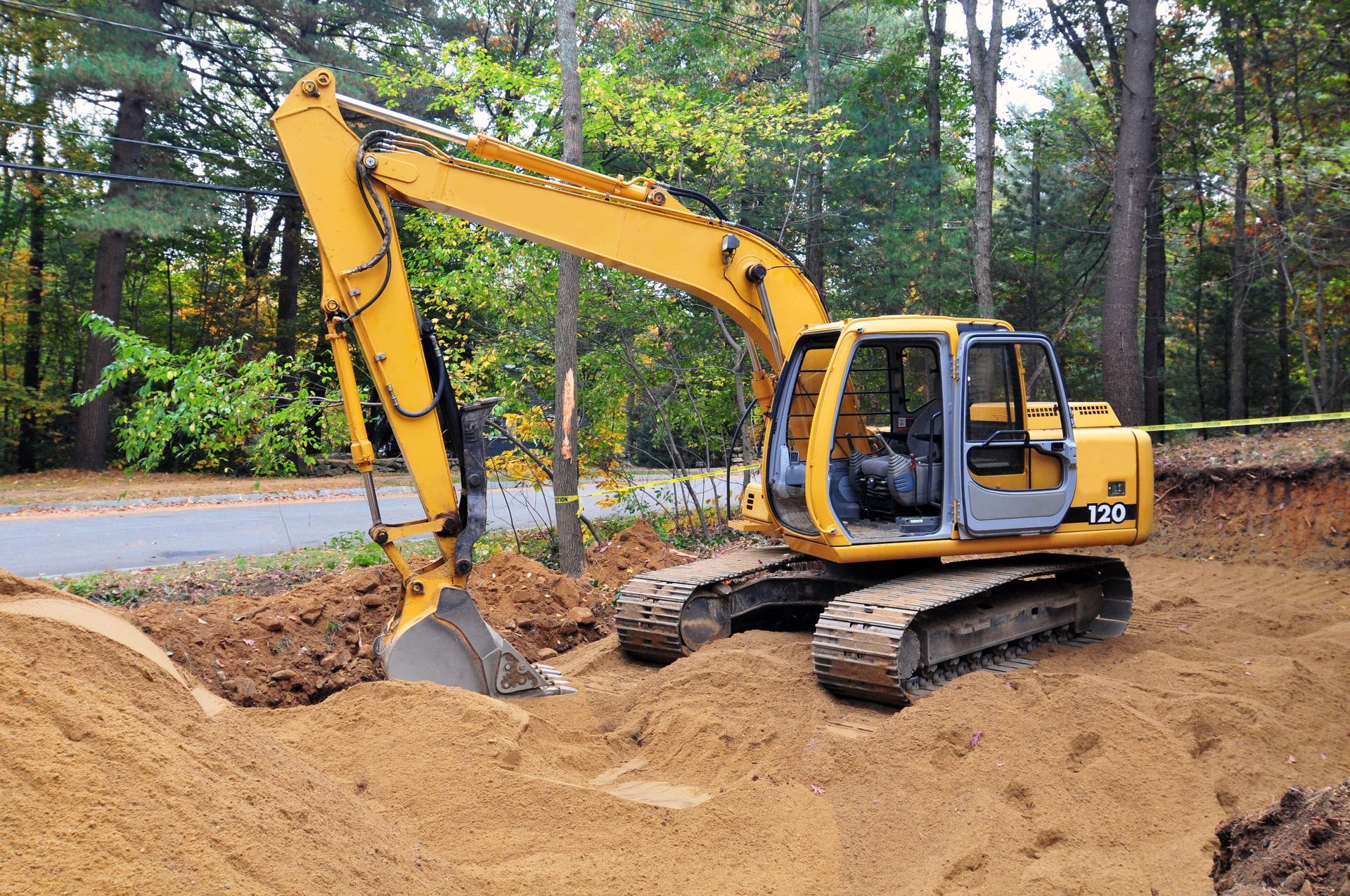
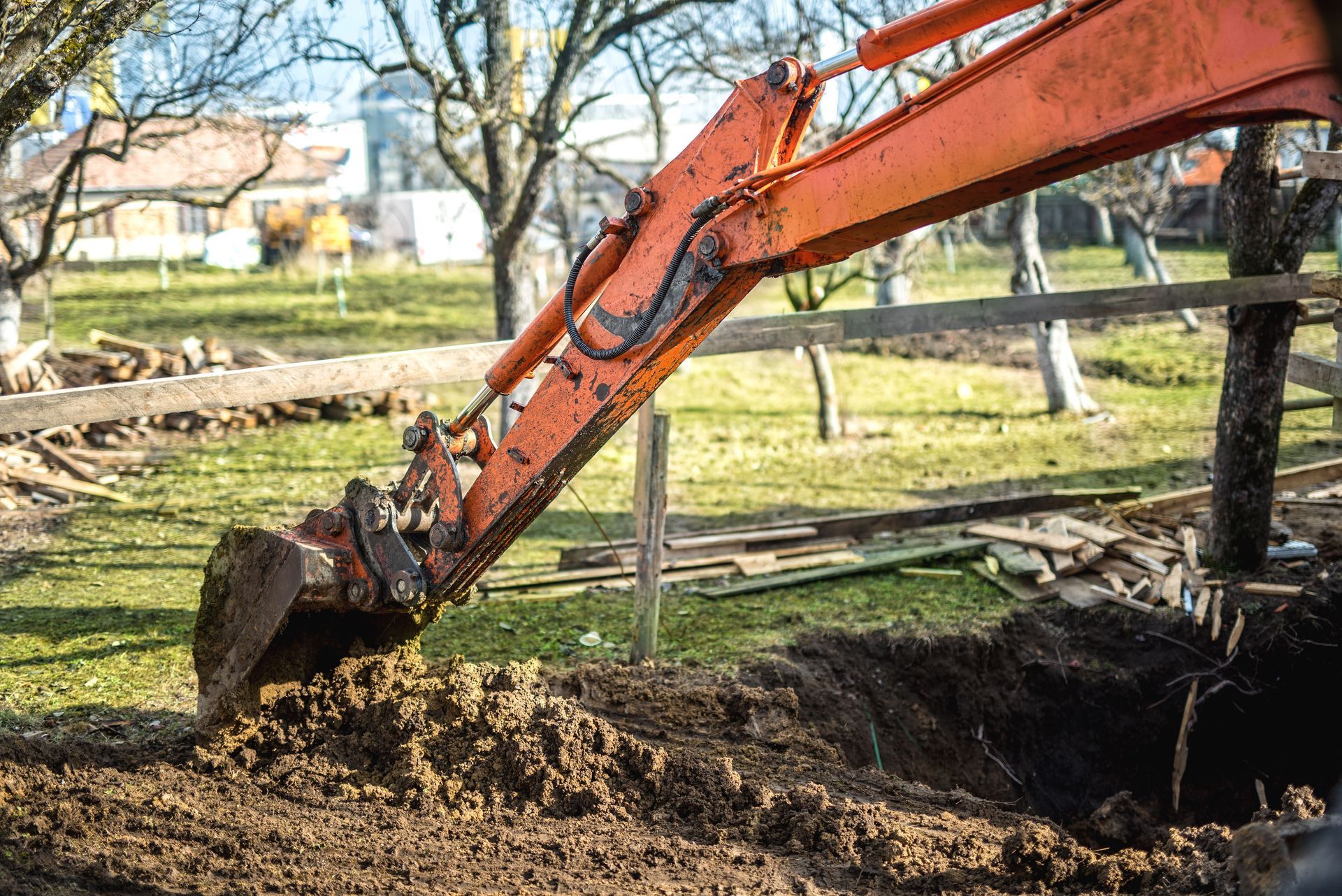
Excavation involves the removal of earth to create space for foundations, pipes, or underground facilities. There are numerous types, including trenching, tunneling, and grading, each with unique methodologies and purposes. Trenching is used for creating narrow depressions for utilities, while tunneling facilitates underground passageways. Grading reshapes land surfaces to ensure proper drainage and preparation for construction. The complexity and scale of these types necessitate detailed planning and skilled execution to mitigate risks.
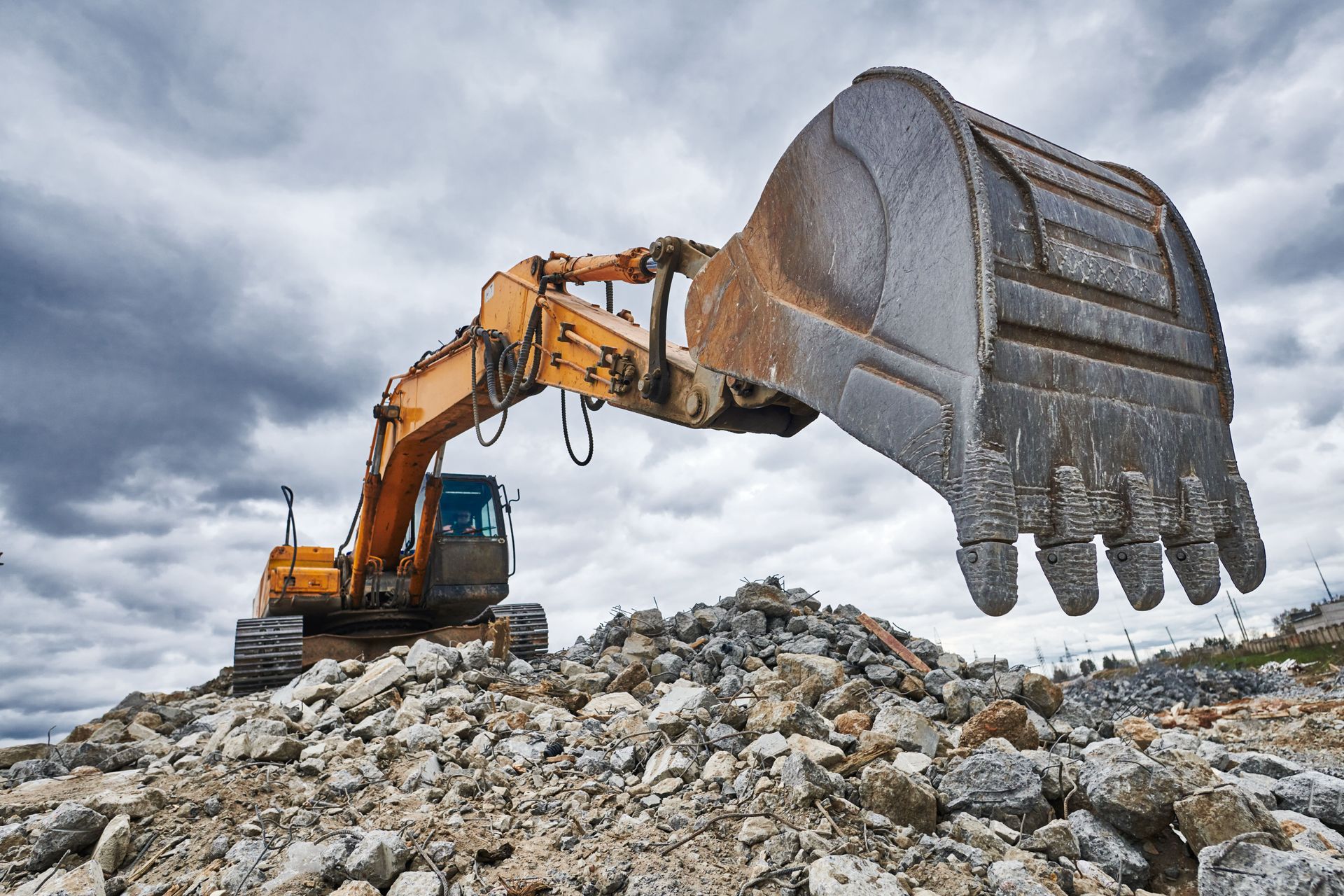
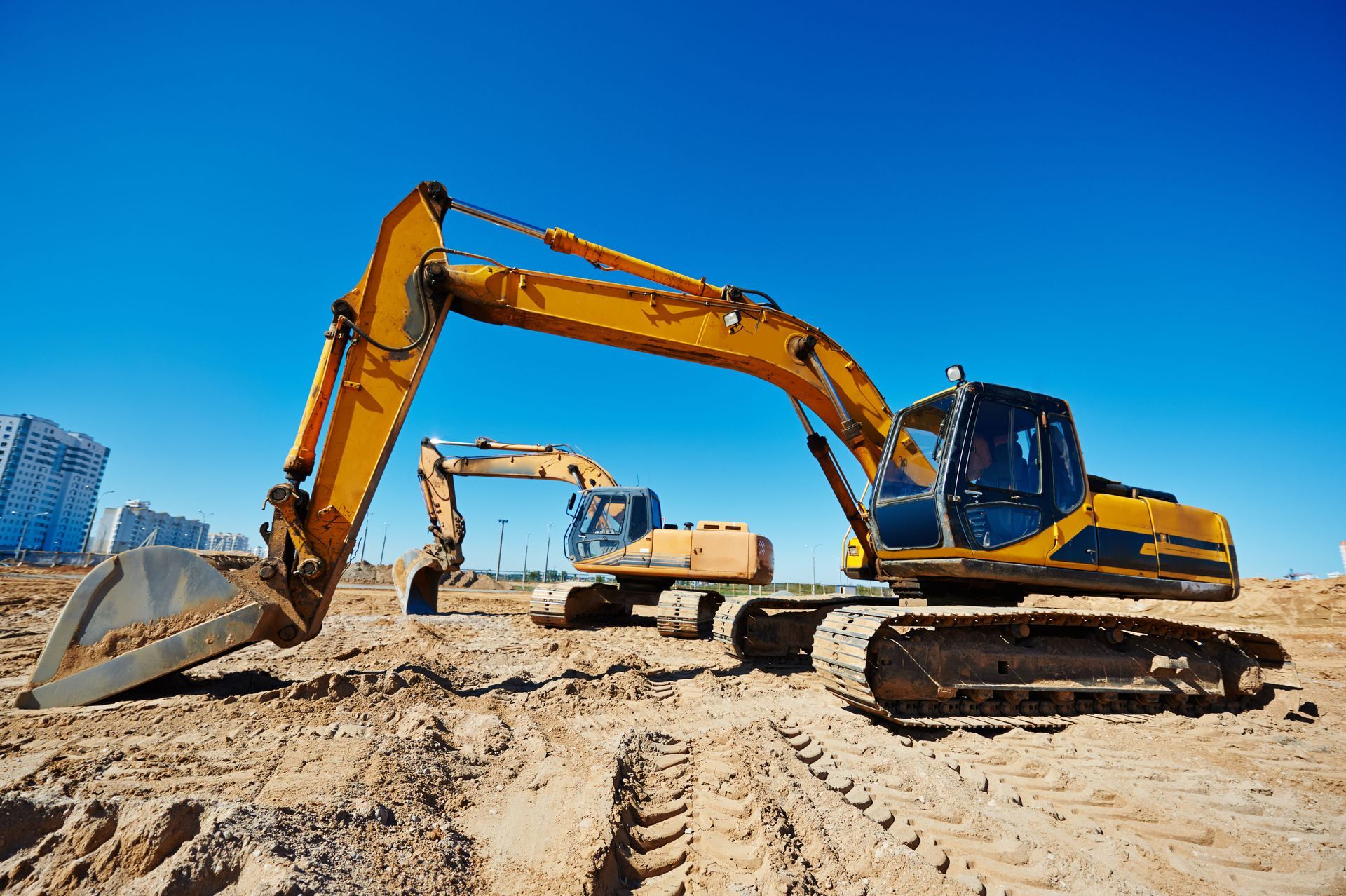
The tools and equipment used in excavation are as varied as the tasks themselves, ranging from hand tools like shovels to heavy machinery such as backhoes and bulldozers. Each piece of equipment serves a specific purpose, such as digging, lifting, or moving earth. For example, a backhoe loader is versatile, used for digging trenches, lifting soil, and loading debris. Due to the high risk associated with heavy equipment, operators must undergo intensive training to ensure they understand both operating techniques and safety practices. Proper maintenance of these machines is crucial, as equipment failure can lead to dangerous accidents on site.
An excavator plays a vital role in any construction project by handling tasks such as digging foundations, trenching, and material handling. Skilled operators must interpret site plans and coordinate with engineers to achieve project goals accurately. Beyond technical skills, they need the judgment to assess changing site conditions and make real-time decisions. The efficiency of an excavator directly impacts project timelines and budgets, making training crucial. Only through robust training can operators fulfill these complex responsibilities safely and efficiently.
Soil type is a major consideration in excavation, influencing approach and safety measures. Different soils, such as sandy soil, clay, and loam, possess distinct characteristics affecting support and drainage. For instance, clay is dense and prone to water retention, which can lead to instability. Understanding these impacts allows operators to implement appropriate safety measures, such as shoring or using trench boxes. Such knowledge reduces the risk of collapse and ensures construction safety and stability.
Safety protocols in excavation are designed to protect workers from common hazards like collapses, equipment malfunctions, and falls. Standard procedures include the creation of stable egress points, monitoring atmospheric conditions, and deploying protective systems. Workers are trained to inspect site-specific risks and comply with prescribed safety measures. Regular safety audits and drills are vital to maintaining a culture of safety on-site. Investing in ongoing safety training helps to mitigate risks and protect human life.
Risks and Hazards Associated with Excavation
Many accidents in excavation arise from ground collapses, contact with underground utilities, and equipment mishaps. Human error, often due to insufficient training, is a leading cause of these incidents. For example, not securing trench walls can lead to cave-ins, posing severe risks to workers below. According to data from OSHA, excavation is one of the most hazardous construction operations, underscoring the necessity for stringent safety protocols. Training programs focus on hazard identification and prevention to reduce these occurrences.
Weather conditions such as rain, snow, and high winds significantly impact excavation work, affecting both site stability and safety. Rain can saturate soil, increasing the risk of slides and collapses, while temperature extremes can impair equipment function and worker endurance. Operators need training to evaluate weather risks and implement appropriate control measures. Comprehensive weather monitoring and planning help mitigate delays and maintain safety. Consequently, training must integrate strategies for adapting to adverse weather impacts on excavation.
Accidental damage to utility lines during excavation is a critical challenge, disrupting essential services and posing safety risks. Lack of proper site assessments can lead to contact with water, electricity, and gas lines, resulting in significant hazards. Before excavation begins, operators must use site surveys and marking practices to identify existing utilities accurately. Training ensures workers understand locating protocols and response strategies for utility strikes. Effective training minimizes such occurrences, protecting both infrastructure and worker safety.
Soil instability is a significant hazard in excavation, causing trench collapses and compromising project safety. An understanding of soil mechanics, including shear strength and bearing capacity, is crucial for assessing stability risks. Engineers and operators must collaborate to analyze soil properties and design safe excavation plans. Techniques such as benching, sloping, or shoring can mitigate these risks. Training enhances workers' ability to recognize signs of instability and implement appropriate preventive measures.
Construction workers face health risks from exposure to dust and noise during excavation, which can lead to respiratory issues and hearing loss. Prolonged exposure to elevated dust levels, particularly in dry conditions, can exacerbate chronic health problems. Employers must ensure the use of personal protective equipment (PPE) and implement dust suppression techniques such as wetting down surfaces. Noise-reducing measures, including the use of quieter equipment or hearing protection, are essential. Training highlights the importance of PPE and fosters awareness of environmental health risks.
Legal and Regulatory Requirements
Occupational safety and health regulations aim to protect workers by enforcing standards for safe work environments. These regulations cover aspects such as hazard assessment, equipment safety, and operational protocols. Compliance with standards set by organizations like OSHA is mandatory, with regular inspections ensuring adherence. Failing to meet these regulations can result in significant fines and project delays. Training programs incorporate these legal frameworks to ensure all personnel understand their responsibilities and the importance of compliance.
Excavation projects often require specific permits and documentation to meet regulatory criteria and protect public safety. These may include environmental permits, proof of safety training, and detailed project plans. Proper documentation ensures accountability and provides oversight agencies with necessary compliance evidence. Failure to secure appropriate permits can halt project progress and lead to legal consequences. Training for project managers includes navigating regulatory landscapes efficiently to maintain project momentum.
Environmental regulations mandate that excavation projects minimize ecological impacts and protect natural resources. Proper sediment control, pollution prevention, and land preservation strategies are enforced through strict regulatory frameworks. Compliance includes detailed environmental assessments and the implementation of sustainability practices. For example, maintaining records of impact assessments and mitigation strategies is critical. Training programs impart knowledge on these environmental protocols, promoting sustainable and compliant excavation practices.
Regulatory bodies have established enforcement methods to maintain safety and compliance on excavation projects. Routine inspections, monitoring, and audits are conducted to verify that safety standards are maintained. Non-compliance is met with penalties that can include fines, project shutdowns, or legal action. Training helps project personnel to understand and implement robust compliance measures. Adequate documentation and procedural checks form part of effective compliance strategies taught in training programs.
Proper training in excavation is indispensable, providing the foundation for safe, efficient, and compliant construction practices. Through comprehensive education and ongoing learning, workers are better equipped to manage risks, adapt to technological advancements, and meet regulatory requirements. The integration of innovative technologies and hands-on learning ensures skill development remains effective and relevant. By prioritizing training, the excavation industry enhances safety, operational excellence, and sustainability. Commitment to continuous improvement is paramount in shaping a proficient workforce capable of driving industry progress. Be sure to reach out to Intermountain Excavation today for more information on our professional excavation services!