January 8, 2026
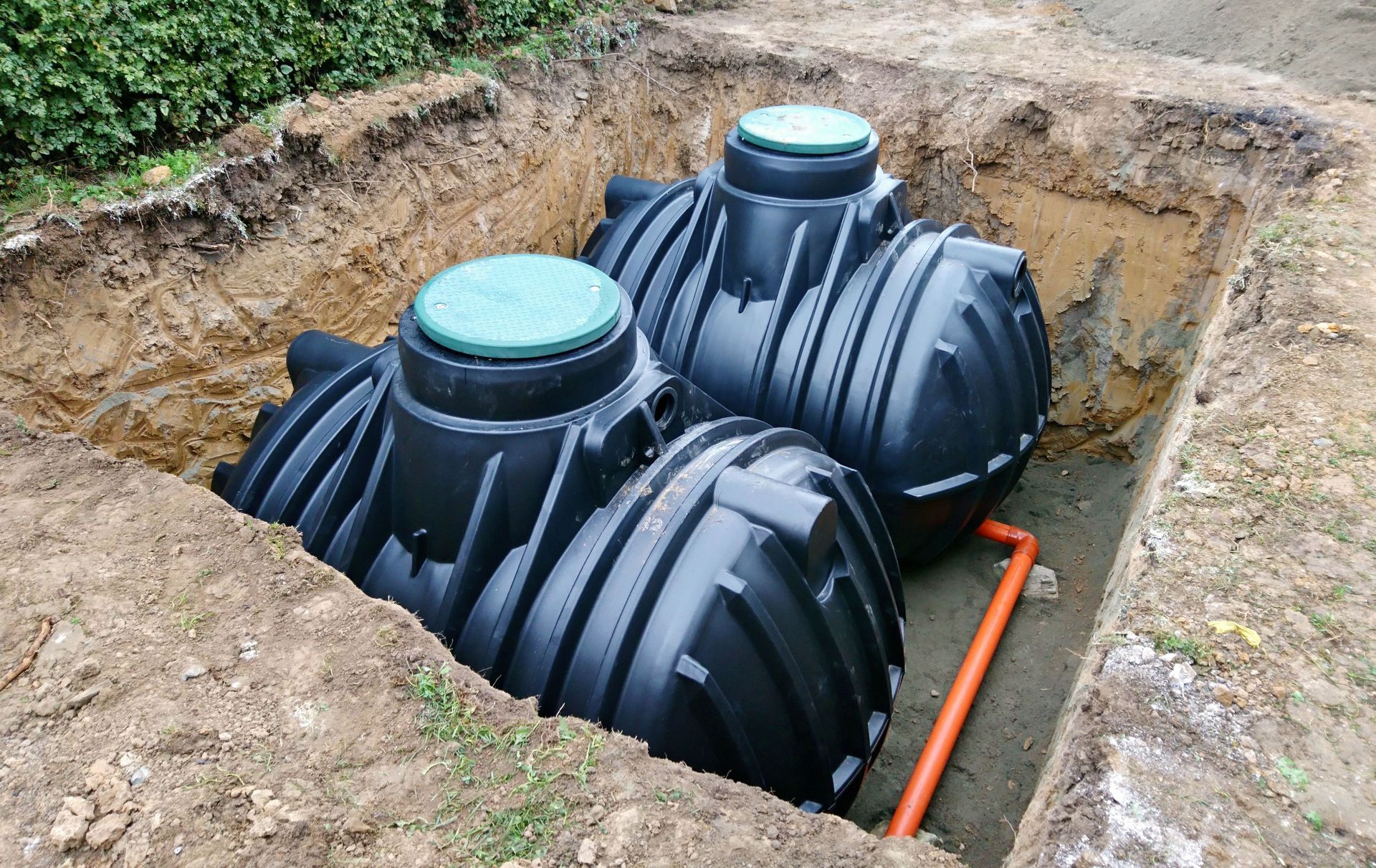
A septic system is a vital part of many homes, particularly those without access to municipal sewage systems. It manages household wastewater by safely breaking down solid waste and releasing treated effluent into the drainage field. Like any essential home system, it can experience problems that need prompt attention to avoid costly repairs and environmental damage. Working with experienced septic installers ensures that any issues are addressed correctly and efficiently, protecting both your property and the surrounding environment.
Experiencing Slow Drains in Your Home
The flow of water through household drains depends heavily on the health of your septic system. Slow drains are often one of the earliest signs that something might be amiss. When you notice sinks, bathtubs, or toilets draining more slowly than usual, it suggests a blockage or an underlying issue in the septic system. This change in water flow could be localized to one area or affect the entire house, indicating the severity of the problem. Identifying a pattern in drainage disruptions can help determine the next steps.
Slow drainage in a home can have several causes, but when linked to the septic system, the problem may be more serious than a simple clog. Over time, sludge can accumulate in the septic tank, diminishing its ability to process waste efficiently. Tree roots can invade pipes, creating blockages and restricting flow, while seasonal changes may impact the drain field's absorption capacity. Consulting professional septic installers helps identify the root cause and ensures the system is maintained correctly to prevent further damage.
When faced with slow drains, homeowners might attempt temporary fixes like drain cleaners or plungers. While these solutions may provide short-term relief, they often fail to address the root of the problem if the septic system is involved. Persistent drainage issues might suggest a need for professional assessment and potential pumping of the septic tank. Ignoring slow drains can lead to more severe backups that require immediate emergency intervention.
Smelling Unpleasant Odors Indoors or Outdoors
Septic systems, by their nature, deal with waste decomposition, leading to potential odors. However, overpowering odors emanating from drains, bathrooms, or around your property are red flags. Such smells may indicate a backup or leakage within the system, allowing gases to escape. Conducting a thorough inspection to determine where the odor is strongest can help pinpoint the issue's location.
Persistent unpleasant odors from a septic system can pose health risks. Sewer gases, which often contain methane, can cause headaches, dizziness, and respiratory issues when exposure is prolonged. These odors can negatively affect indoor air quality and overall wellbeing, making timely action essential. Homeowners should consult experienced septic installers to identify the source of the smell and address it safely and effectively.
In some situations, differentiating between septic and other odors, such as those stemming from food waste disposals or trash, can be challenging. Investigating the source may involve checking for odors strongest near plumbing fixtures or on the property grounds. Once the septic origin is confirmed, professional intervention is critical, as temporary solutions like air fresheners can only mask the underlying issue. Long-term, addressing mechanical failures within the septic system is essential for odor cessation.
Noticing Wet Spots or Puddles in the Yard
Occasionally, wet spots or unexpected puddles in your yard may signal a leak in your septic system. These issues often appear above the septic tank or along the connecting pipes, and an oversaturated drainage field can worsen the problem. Early detection is crucial to prevent extensive flooding and property damage. Consulting professional septic installers can help identify the source of the leak and implement the necessary repairs safely and efficiently.
It's crucial to differentiate these wet areas caused by septic leaks from other water accumulation issues like rainfall or irrigation. The smell accompanying the water build-up can provide a clue, as septic leakage often results in foul-smelling liquid. Furthermore, the texture and color of the water may appear different due to the presence of untreated wastewater. Confirming that these wet areas stem from a septic issue will guide the choice of remediation efforts.
Ignoring septic leaks has broader reaches than just property aesthetics. Untreated leaks allow untreated waste to enter the environment, potentially contaminating local ecosystems, water supplies, and overall hygiene. This environmental impact showcases the necessity of immediate action. Employing temporary measures, like diverting household water away from the affected areas, can provide short-term relief. Still, the involvement of professionals is vital to repair and manage the problem permanently.
Hearing Gurgling Sounds in Plumbing
Gurgling sounds coming from your pipes can indicate a problem within the septic system. These noises usually occur when air becomes trapped in the liquid waste, creating bubbles that escape through drains or toilets. Such sounds often signal a blockage or a venting issue that needs attention. Professional septic installers can assess the system, identify the cause of the gurgling, and provide the appropriate solutions to prevent further complications.
These noises occur when gases from the septic tank are unable to escape freely through the vent stack. Blockages or partially filled tanks can create increased pressure, forcing gases back through the household plumbing. The presence of these gases underscores a more significant problem requiring professional inspection. Addressing this issue proactively can prevent more substantial system failures.
The presence of gurgling sounds is generally accompanied by other symptoms like slow drains or substantive odors, further indicating septic problems. These interconnected signs help specify the scope and urgency of required interventions. While temporary measures like reducing water usage can minimize immediate noise, they do not resolve the underlying cause. Professionals are equipped to address the comprehensive scope of septic maintenance challenges.
Dealing With Backups and Clogs
Frequent backups in sinks, toilets, or showers can be a key indicator of a septic system nearing or at capacity. Distinguishing between random blockages and recurring backups can help identify a chronic issue that may require expert attention. Regular clogs might imply a serious blockage within the tank or pipes leading to inadequate waste processing. A consistently problematic drainage system suggests the need for a comprehensive septic evaluation.
Several factors contribute to septic system backups, notably improper waste disposal. Flushing inappropriate items can lead to clogs that extend beyond standard household pipes. Overloading the septic system with excessive amounts of water through laundry or showers can hasten the process of a backup. According to Forbes, regular maintenance and mindful usage can extend a septic tank's lifespan to at least 20 years, suggesting these issues can often be prevented with care. Recognizing the root causes aids in understanding the necessary resolutions.
Addressing septic system backups is critical not only for convenience but also for health and safety. Accumulated waste can foster harmful bacteria, which multiply with each backup, creating serious sanitation risks. Exposure to this waste can endanger household members, making prompt action essential. Experienced septic installers can provide both emergency solutions and long-term strategies to prevent future backups and protect your property.
Regular maintenance is essential to keep a septic system functioning properly and lasting for years. Early signs like slow drains, odors, wet spots, gurgling sounds, backups, and unusual lawn growth should prompt action to avoid costly repairs and environmental issues. By hiring experienced septic installers for timely inspections, homeowners can ensure their system operates efficiently, reducing inconvenience and supporting a healthy household. Contact Intermountain Excavation for help with resolving your septic system issues.