January 27, 2026
Excavation plays a central role in construction by shaping land so structures, utilities, and infrastructure can be installed correctly. From removing soil to refining elevation, excavation determines how well a site supports long-term performance and safety. Trenching, grading, and site preparation are not isolated tasks but coordinated processes that influence drainage, stability, and efficiency across the entire project. For excavation contractors, understanding how these elements work together helps prevent setbacks and supports smoother construction timelines. Exploring how trenching, grading, and site preparation function reveals what excavation truly involves from the ground up.
Understanding Trenching as a Core Construction Process
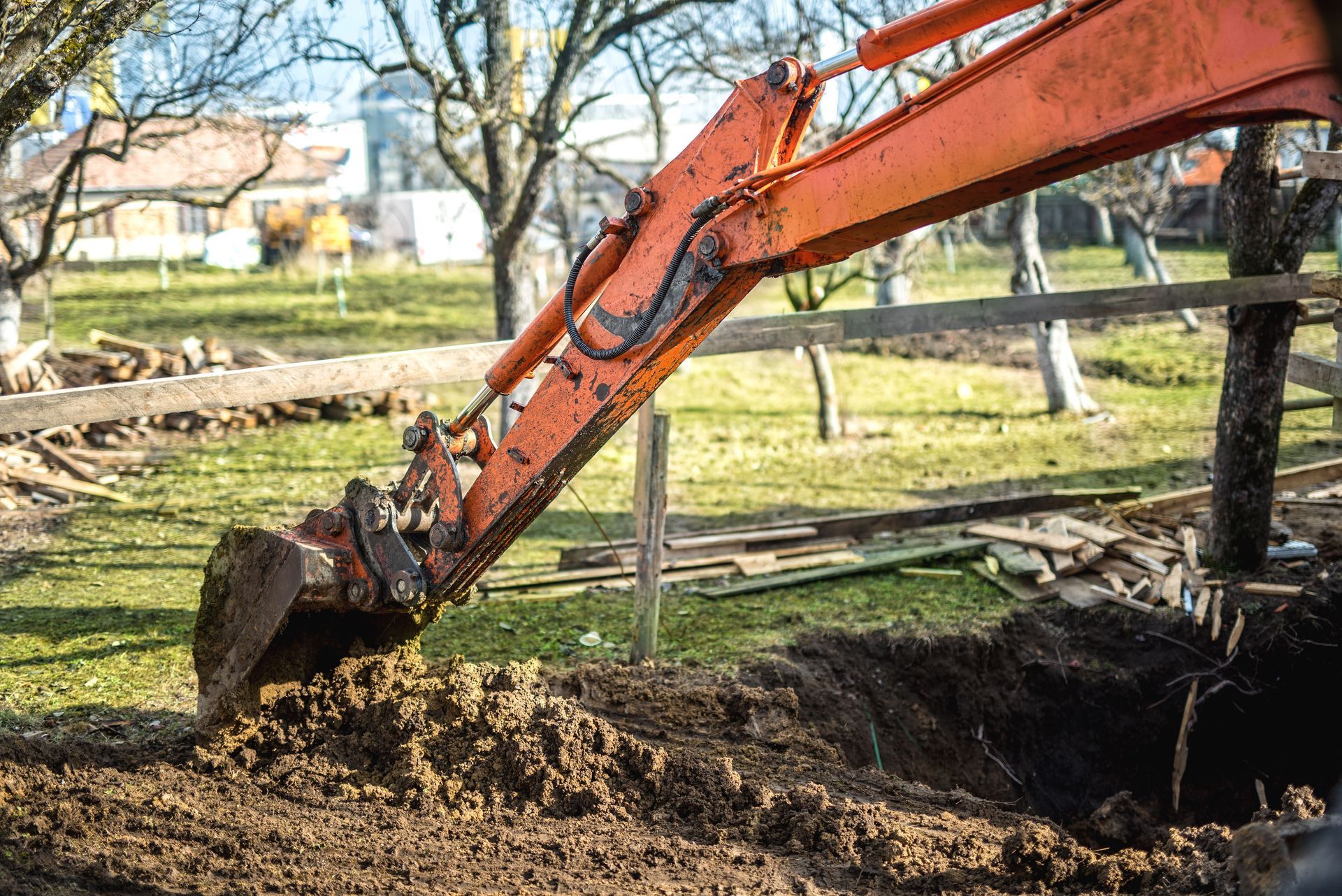
Trenching involves cutting narrow, deep channels into the ground to support utilities, drainage, and underground systems. These channels allow space for pipes, conduits, and other infrastructure that must remain protected below the surface. Excavation contractors rely on trenching to ensure water lines, septic connections, and drainage pathways are installed at proper depths and slopes. Accurate trenching supports functionality while reducing the likelihood of future repairs caused by shifting soil or poor alignment.
Beyond utility placement, trenching also supports water control. Trenches help redirect surface and subsurface water away from structures, reducing erosion and moisture buildup. In areas where groundwater management is essential, trenching becomes a critical safeguard for foundations and the surrounding land. Careful planning ensures trenches follow site contours and environmental considerations.
Each trenching project requires evaluating soil composition, existing underground features, and environmental conditions. Soil density, moisture levels, and nearby structures influence how trenches are shaped and reinforced.
Using Equipment to Support Trenching Accuracy
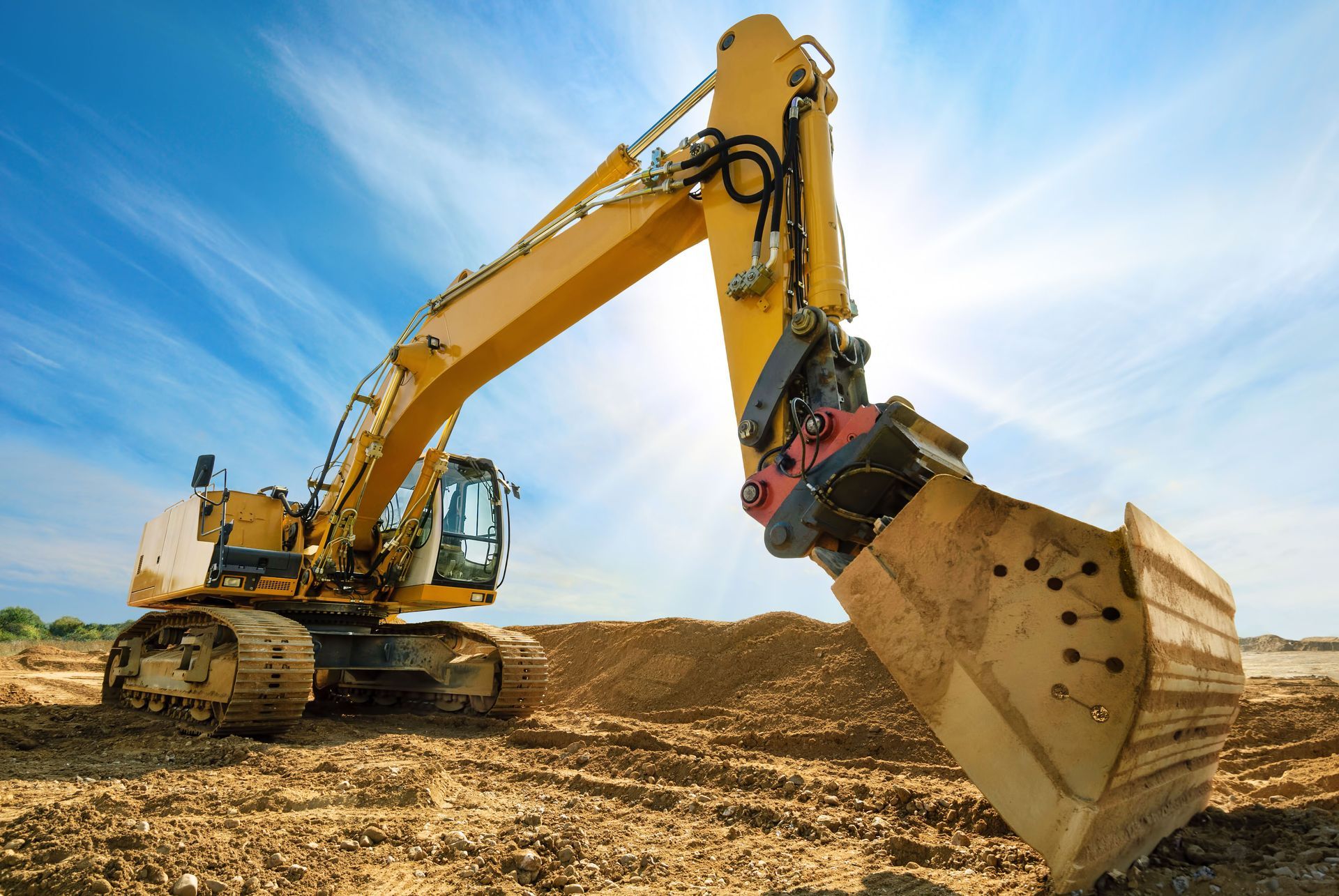
Trenching relies on a range of equipment selected according to site conditions and project scale. Smaller areas may require compact machinery for precision work, while larger sites benefit from heavy equipment capable of maintaining consistent depth and width. Equipment choice directly affects efficiency, safety, and project flow.
Mechanical trenchers provide controlled excavation for utility installations, while excavators assist with soil removal and placement. Skilled operation ensures clean trench lines and minimizes unnecessary ground disturbance. For excavation contractors, proper equipment selection supports accurate execution without compromising surrounding areas.
Modern trenching tools now include guidance systems that improve consistency and reduce rework. These technologies help operators maintain precise measurements, which is especially important for projects involving drainage or septic connections where accuracy affects long-term performance.
Applying Safety Practices to Trenching Operations
Safety remains a defining factor in trenching work. Trenches pose risks when walls collapse or when workers operate near unstable soil. Protective systems such as sloping, benching, and shoring help maintain trench integrity and protect crews during installation.
Clear site boundaries and controlled access reduce exposure to hazards. Regular inspections throughout the trenching process help identify changes in soil conditions or weather impacts. Excavation contractors who follow established safety practices help keep projects on schedule while protecting personnel and equipment.
Technological monitoring tools also contribute to safer trenching environments. These systems detect movement or instability early, allowing adjustments before conditions worsen. A strong safety culture supports efficiency and accountability throughout excavation projects.
Managing Challenges That Affect Trenching Projects
Trenching often encounters unexpected obstacles below the surface. Hidden utilities, rock formations, or inconsistent soil conditions can delay progress if not addressed promptly. Identifying these challenges early reduces disruptions and supports better planning.
Weather adds another layer of complexity. Heavy rainfall can compromise trench stability, while dry conditions may cause soil to shift. Monitoring conditions and adapting schedules helps maintain safe working environments and protects trench integrity.
Environmental responsibilities also shape trenching decisions. In sensitive areas, excavation contractors must balance infrastructure needs with conservation efforts. Responsible trenching minimizes long-term impact while supporting necessary development.
Evaluating Environmental Factors With Trenching Work
Trenching influences surrounding ecosystems by altering soil structure and water flow. Environmental assessments help identify potential risks and guide responsible excavation practices. Managing erosion and runoff protects nearby land and waterways.
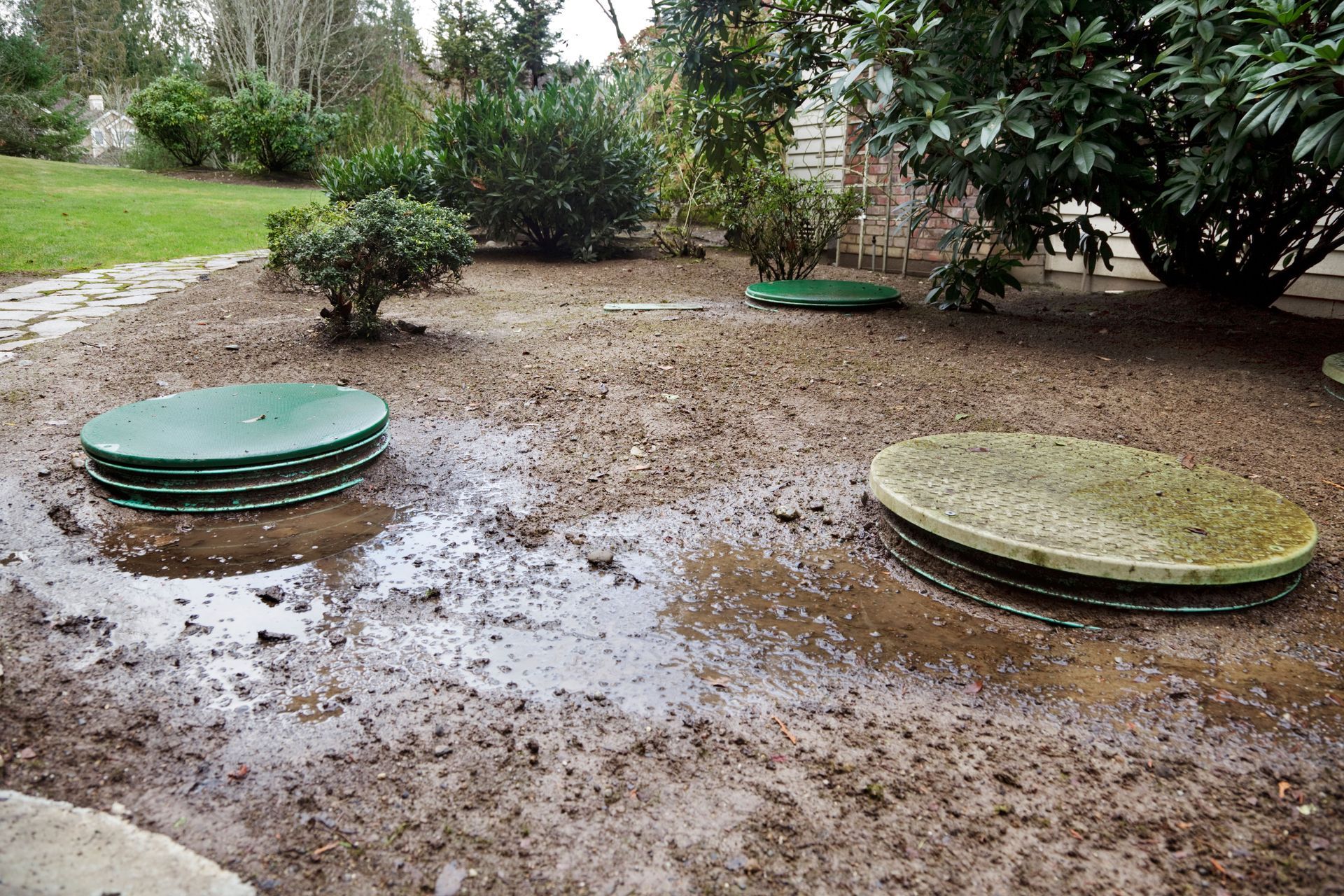
Water management is especially important where underground systems connect to septic infrastructure. According to This Old House, more than one quarter of households across the country rely on septic systems, particularly in rural regions, which makes proper trench placement essential for protecting groundwater and soil health. This reality reinforces the need for careful trenching when installing waste management systems.
Responsible trenching includes restoring disturbed areas after work is complete. These practices support sustainability and long-term land usability.
Defining Grading as a Site-Shaping Process
Grading reshapes land to achieve proper elevation and slope across a site. This process ensures water drains away from structures and supports stable foundations. Accurate grading improves site usability and reduces risks associated with standing water or uneven surfaces.
Grading also contributes to regulatory compliance. Local codes often dictate slope requirements and drainage standards. Contractors account for these requirements during grading to avoid delays and revisions.
Beyond function, grading influences how land is used and maintained over time. Properly graded sites support efficient construction and long-term durability.
Selecting Grading Methods to Match Site Conditions
Different grading methods address different project needs. Rough grading establishes general contours, while finished grading refines surfaces to precise specifications. Landscape grading integrates drainage and visual design considerations.
Each method requires specific equipment and techniques. Heavy machinery handles large soil movement, while precision tools refine final surfaces. Combining approaches ensures all site elements align with project goals.
Soil evaluation plays a role in grading success. Stabilization methods may be required to improve load-bearing capacity and prevent settlement. These steps help contractors achieve reliable outcomes.
Analyzing Topography to Guide Grading Decisions
Topographic analysis provides insight into elevation changes and natural features. Surveys identify slopes, low points, and drainage patterns that influence grading plans. This information supports efficient land use and minimizes unnecessary excavation.
Understanding topography also helps reduce environmental impact. Using natural contours can improve drainage and reduce erosion without extensive earth movement. These strategies promote sustainability and cost control.
Incorporating topographic data into planning improves accuracy and supports smoother project execution from start to finish.
Supporting Drainage With Proper Grading Design
Grading directly affects how water moves across a site. Proper slopes direct runoff toward designated drainage areas, reducing erosion and structural damage. Poor grading can lead to pooling water and long-term maintenance concerns.
Drainage solutions often integrate swales or graded channels that guide water efficiently. These systems protect foundations and preserve surrounding land conditions.
Considering future weather patterns strengthens drainage performance. Adaptive grading designs help sites handle varying rainfall levels without compromising stability.
Operating Equipment to Achieve Grading Precision
Grading equipment ranges from bulldozers for large-scale shaping to motor graders for surface refinement. Operator skill ensures machinery performs accurately and safely.
Advanced guidance systems improve precision and reduce material waste. These tools help excavation contractors meet specifications while controlling costs.
Training remains essential. Well-trained operators maximize equipment capabilities and maintain consistent quality across grading operations.
Clearing Land to Begin Site Preparation
Site preparation starts with clearing vegetation, debris, and obstacles that interfere with construction. Clearing establishes a workable surface for excavation and grading activities.
Environmental considerations influence clearing methods. Controlled approaches reduce disruption and support recovery after construction.
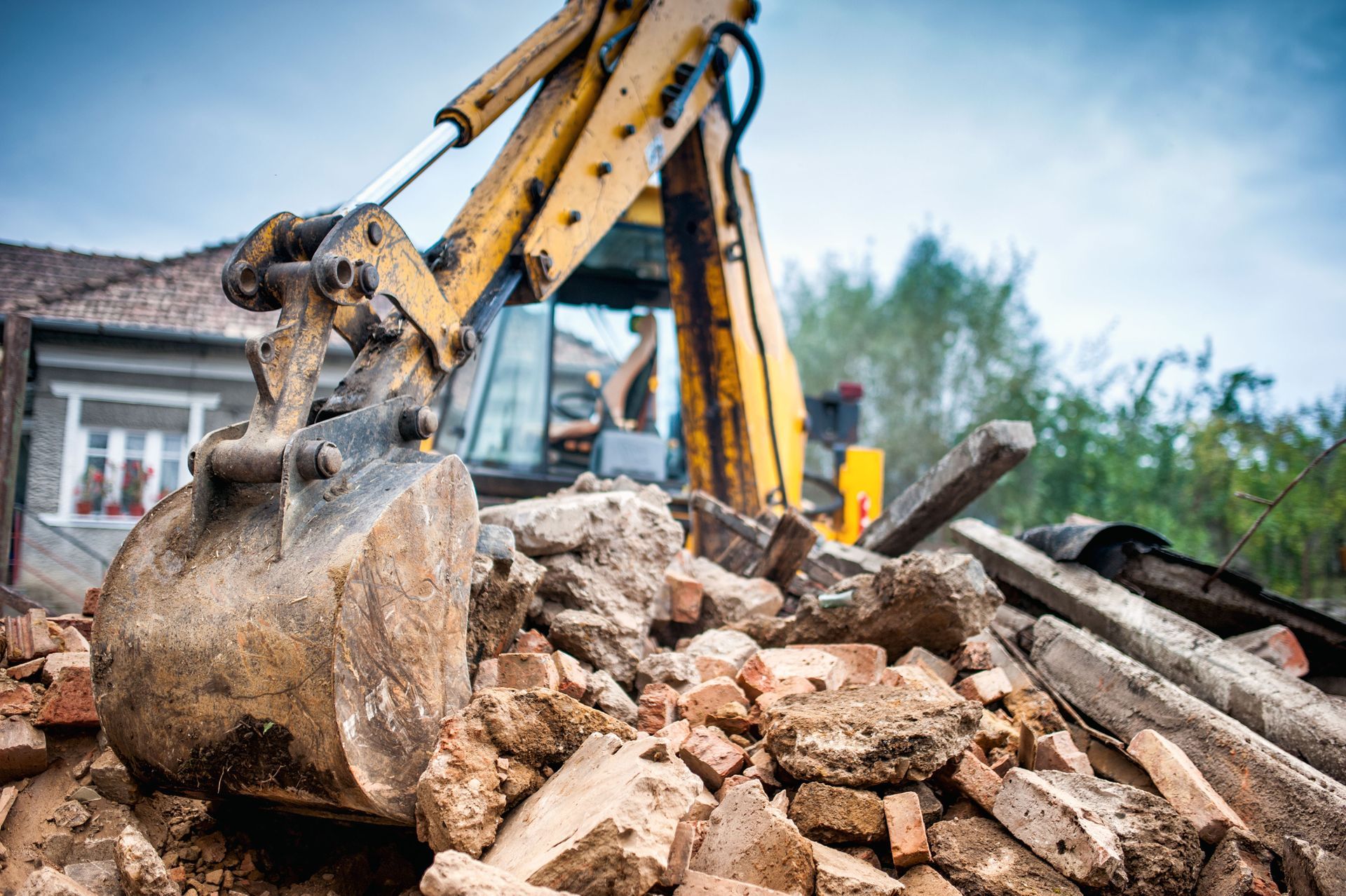
Removing debris also improves safety by reducing unstable conditions. Clean sites support efficient workflows and reduce delays during excavation.
Coordinating Site Preparation for Construction Success
Site preparation includes compaction, material management, and final readiness checks. These steps ensure the site can support construction without shifting or settling.
Excavation contractors coordinate preparation tasks to align with project timelines and design requirements. Proper preparation reduces rework and supports long-term stability.
Efficient site preparation connects trenching and grading into a unified process that supports successful construction outcomes.
Completing Projects With Cleanup and Verification
Post-project cleanup restores sites to safe, usable conditions. Removing excess materials and confirming site stability ensures readiness for the next construction phase.
Testing verifies that excavation, grading, and preparation meet required standards. Reliable site material delivery supports these processes by keeping projects on track.
Trenching, grading, and site preparation form the backbone of effective excavation. Each process contributes to stability, drainage, and long-term site performance when executed with planning and precision. Excavation contractors who approach these tasks methodically help reduce risk and support efficient construction progress.
At Intermountain Excavation, we focus on precision excavation, efficient site clearing services, reliable site material delivery, and thorough post-project cleanup and testing. Our team works closely with project goals to support safe, well-prepared sites. Contact us today to discuss how our experience can support your next excavation project.